
HOUSE IN CORJUEM
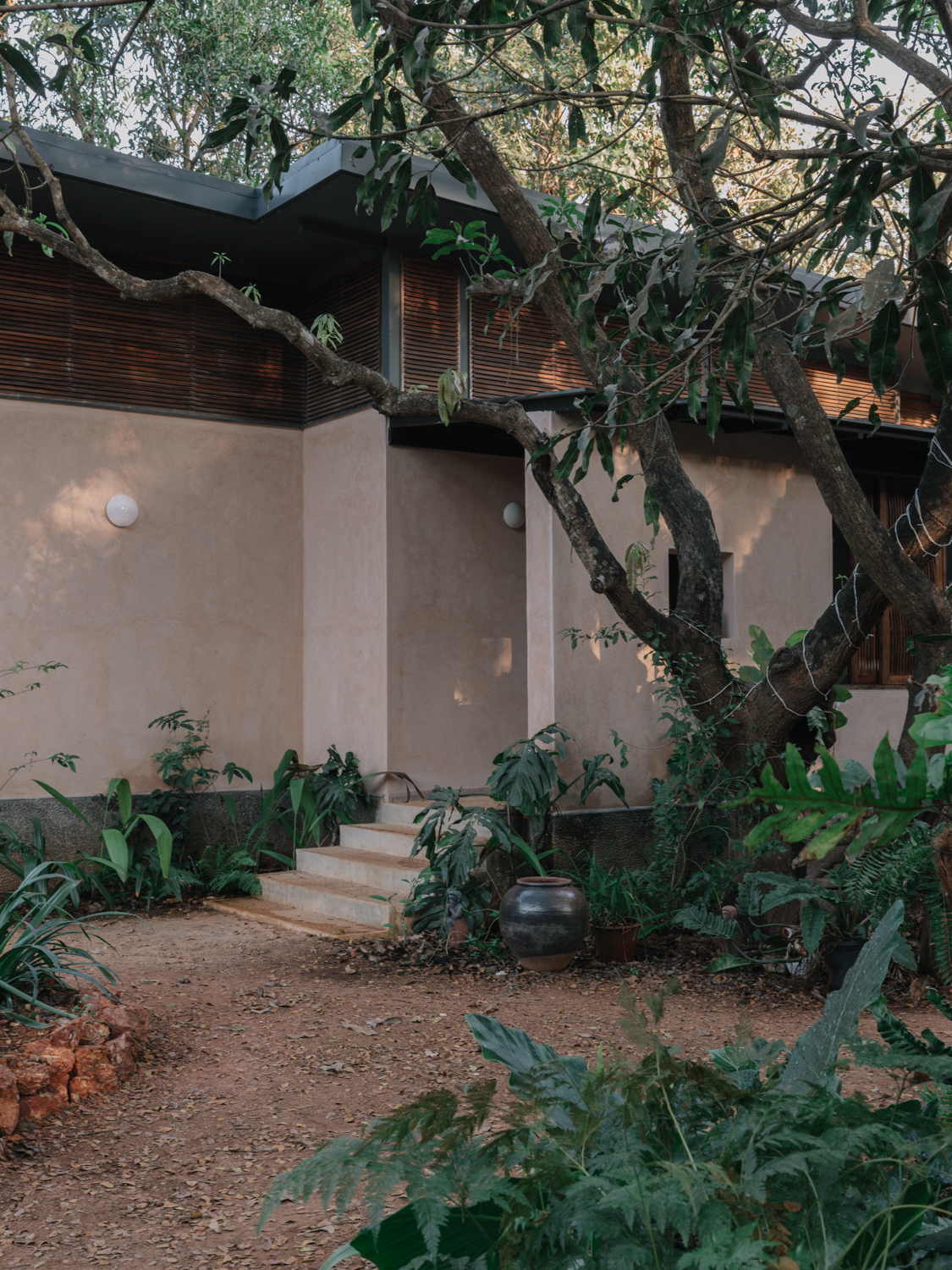
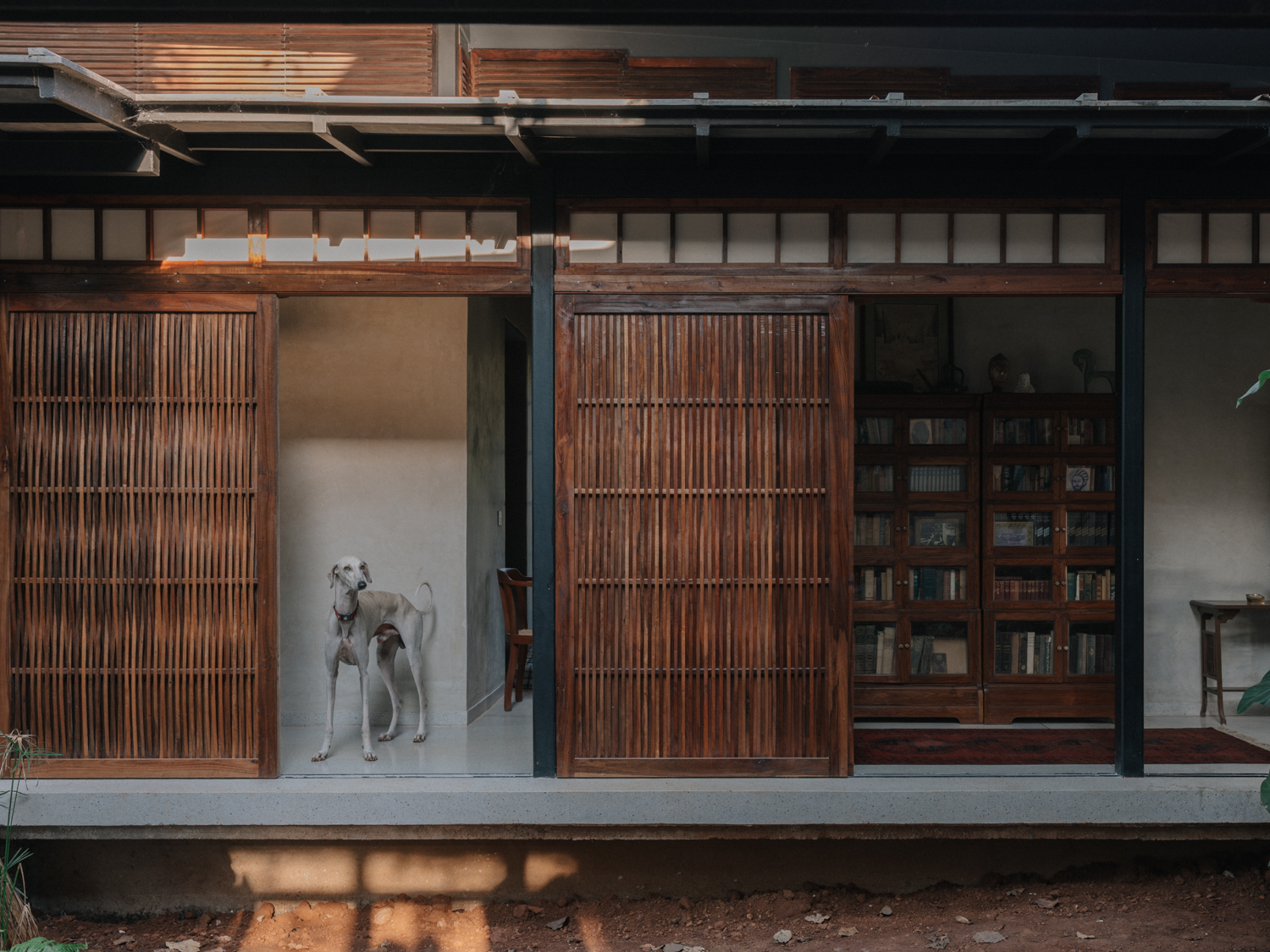
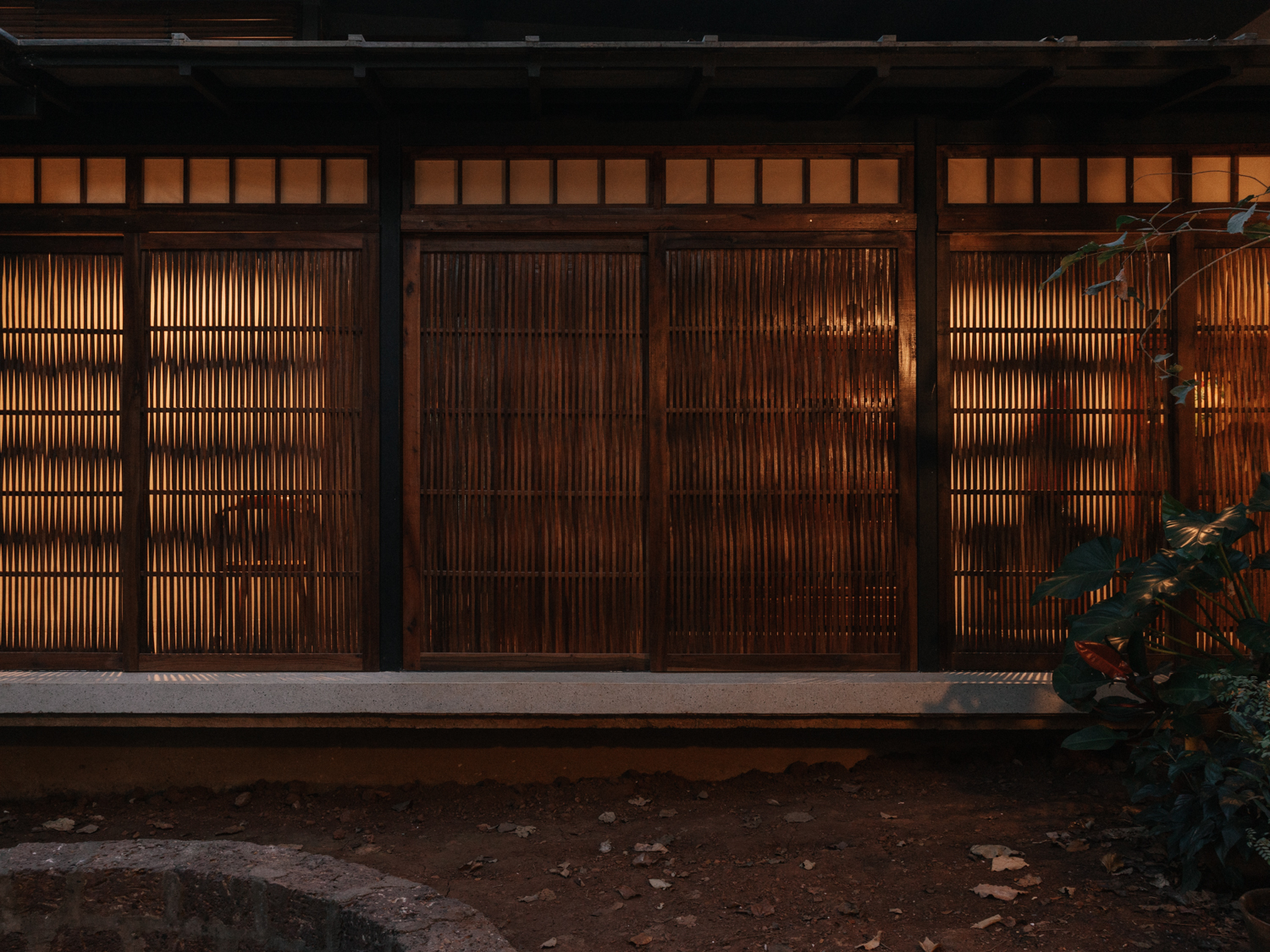
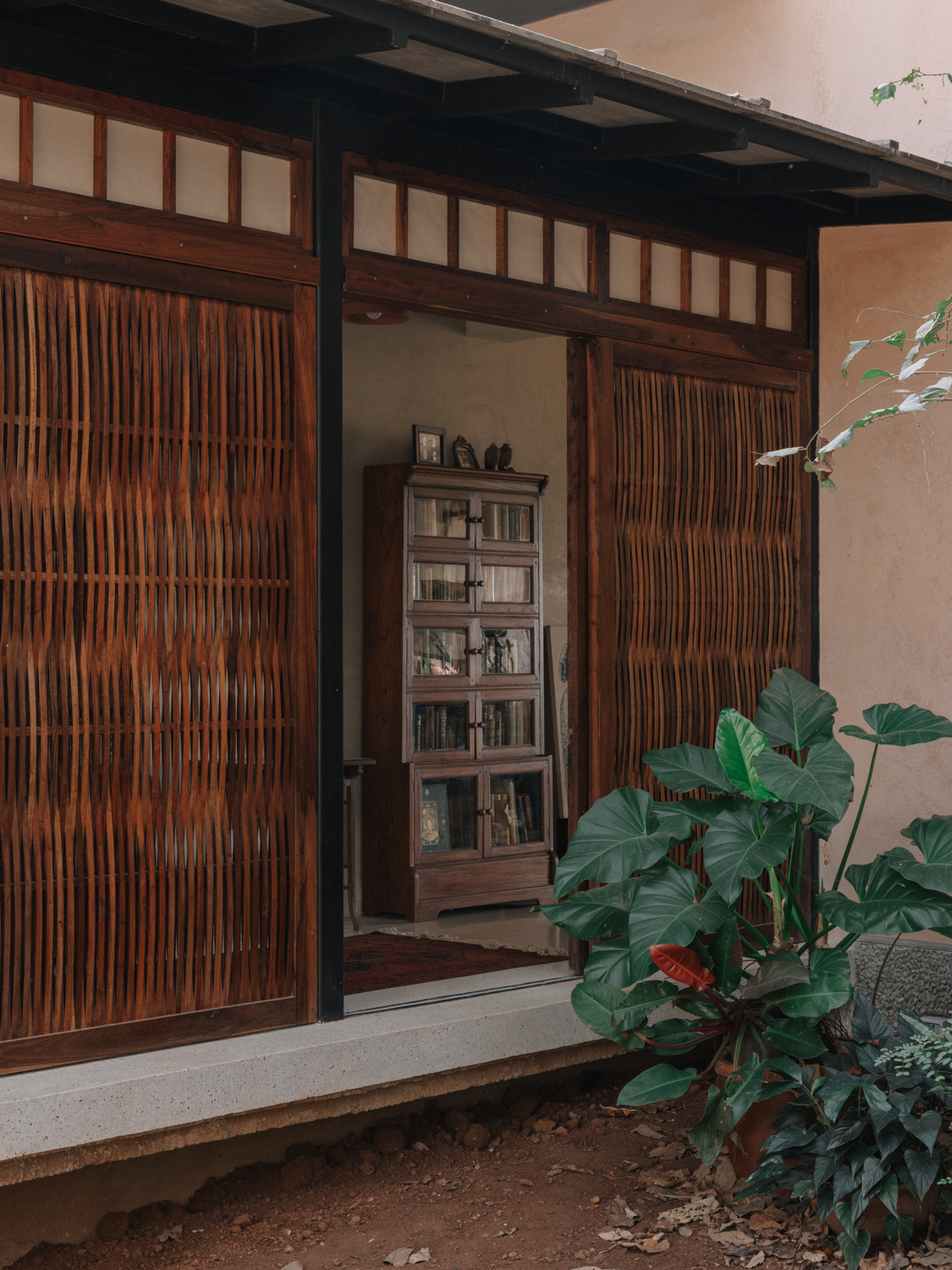
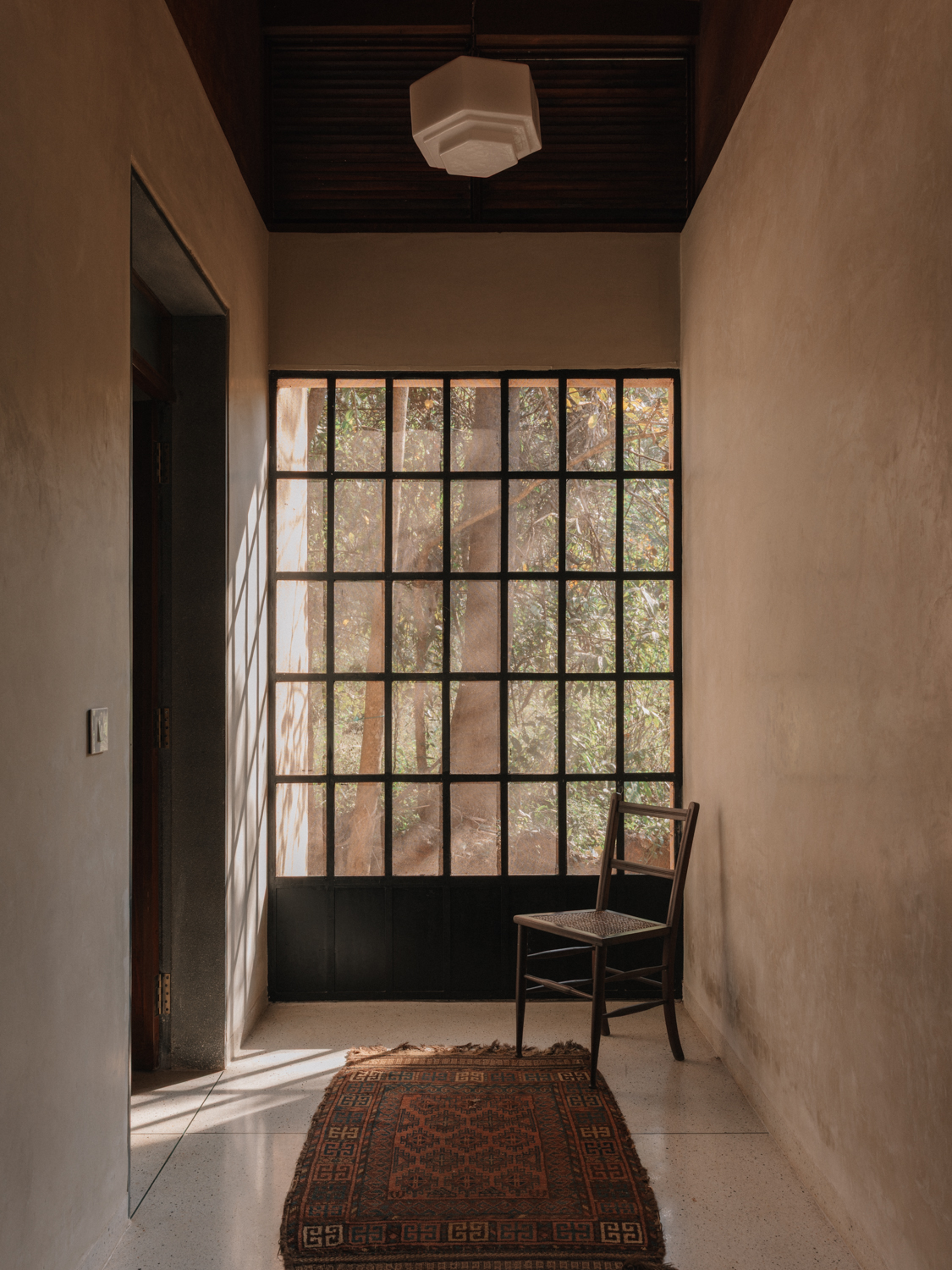
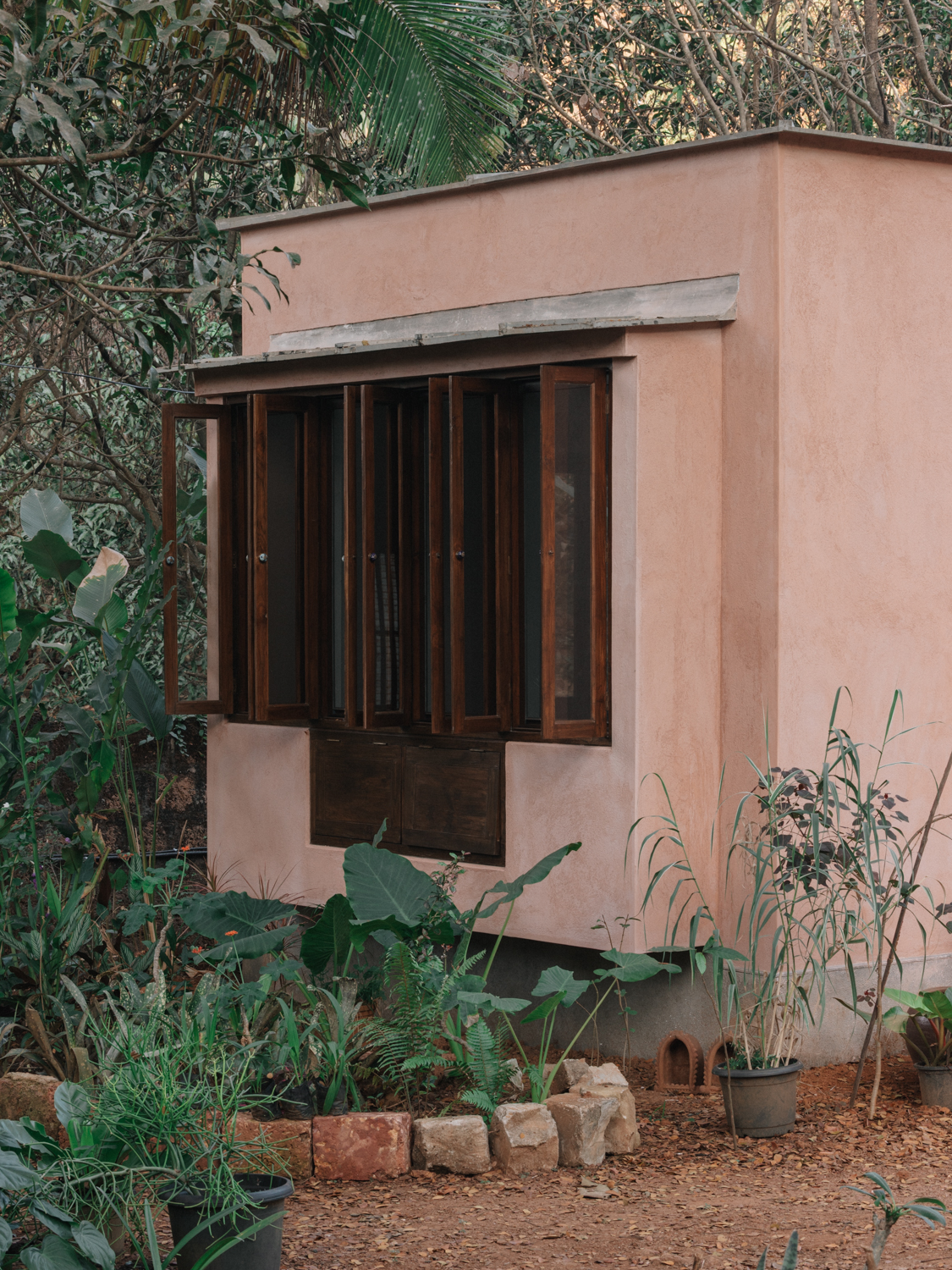
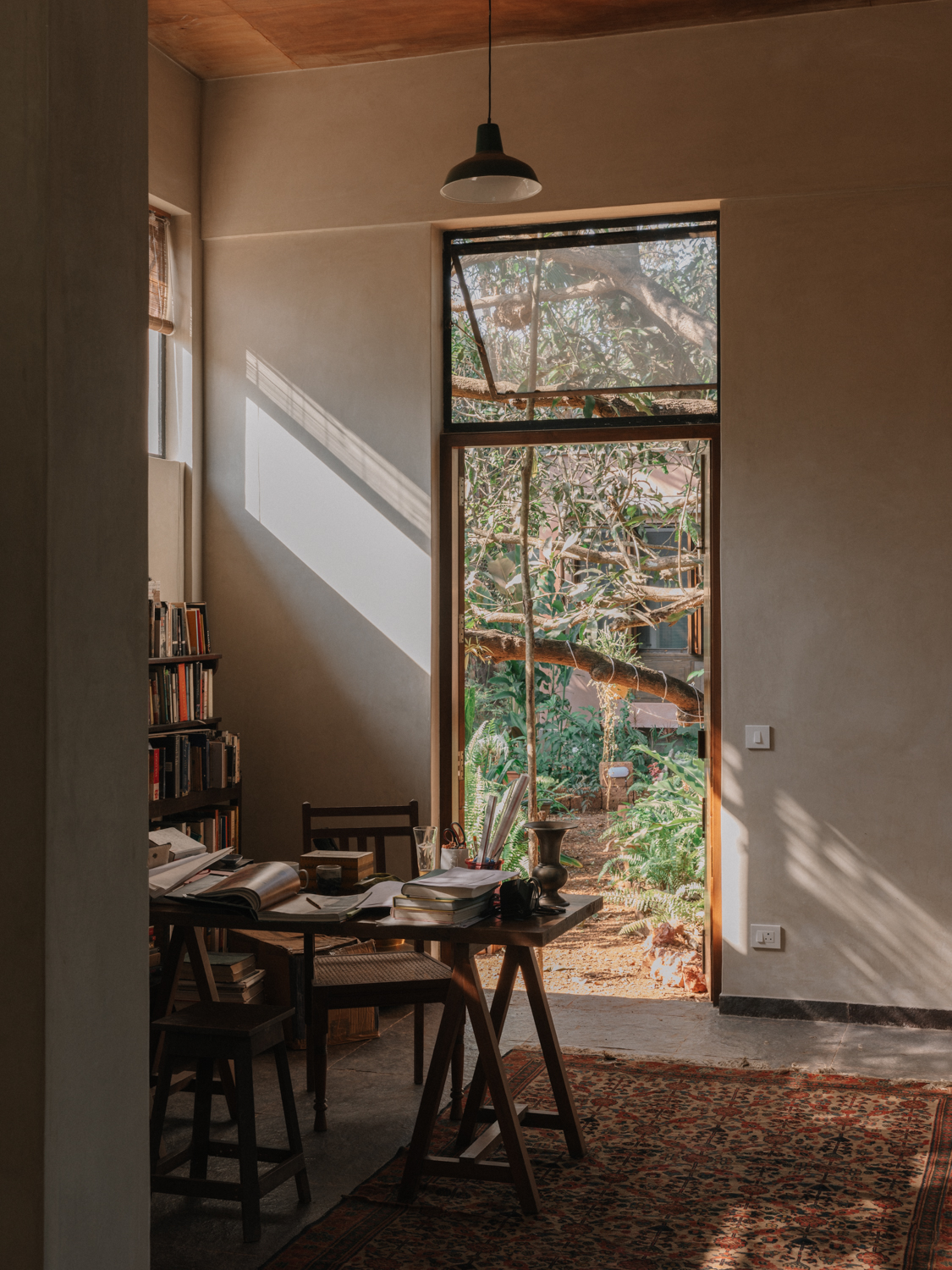
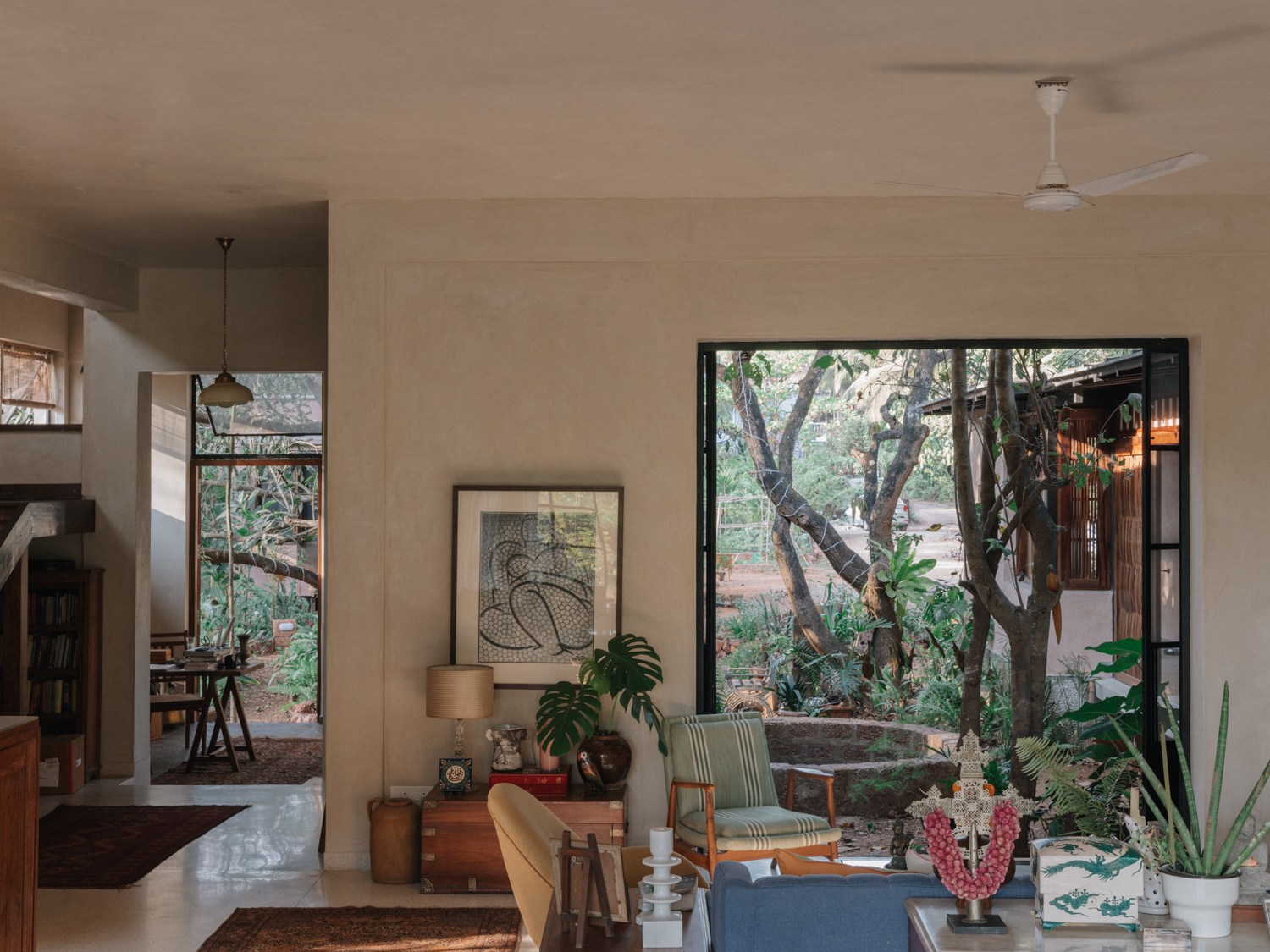
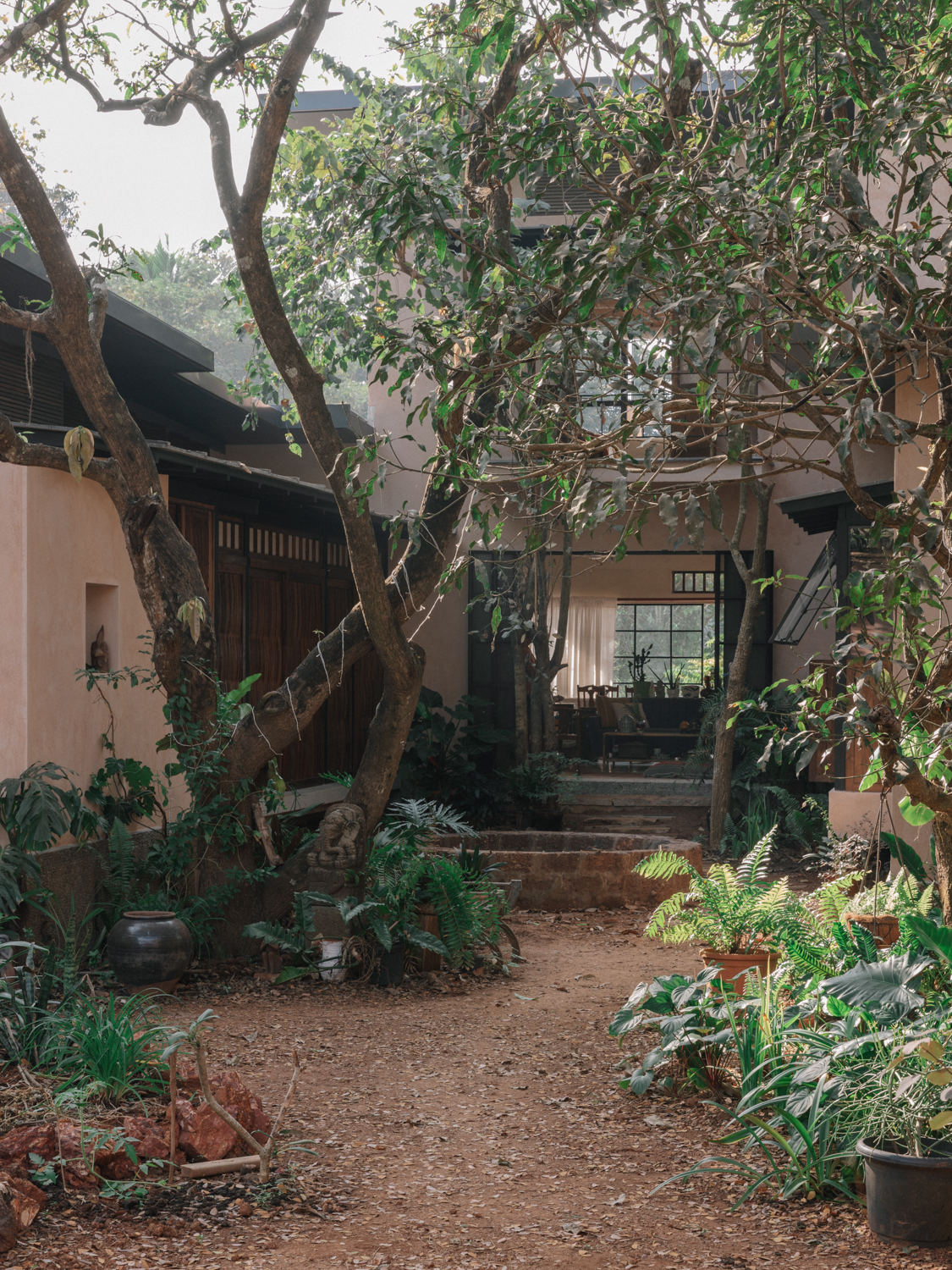
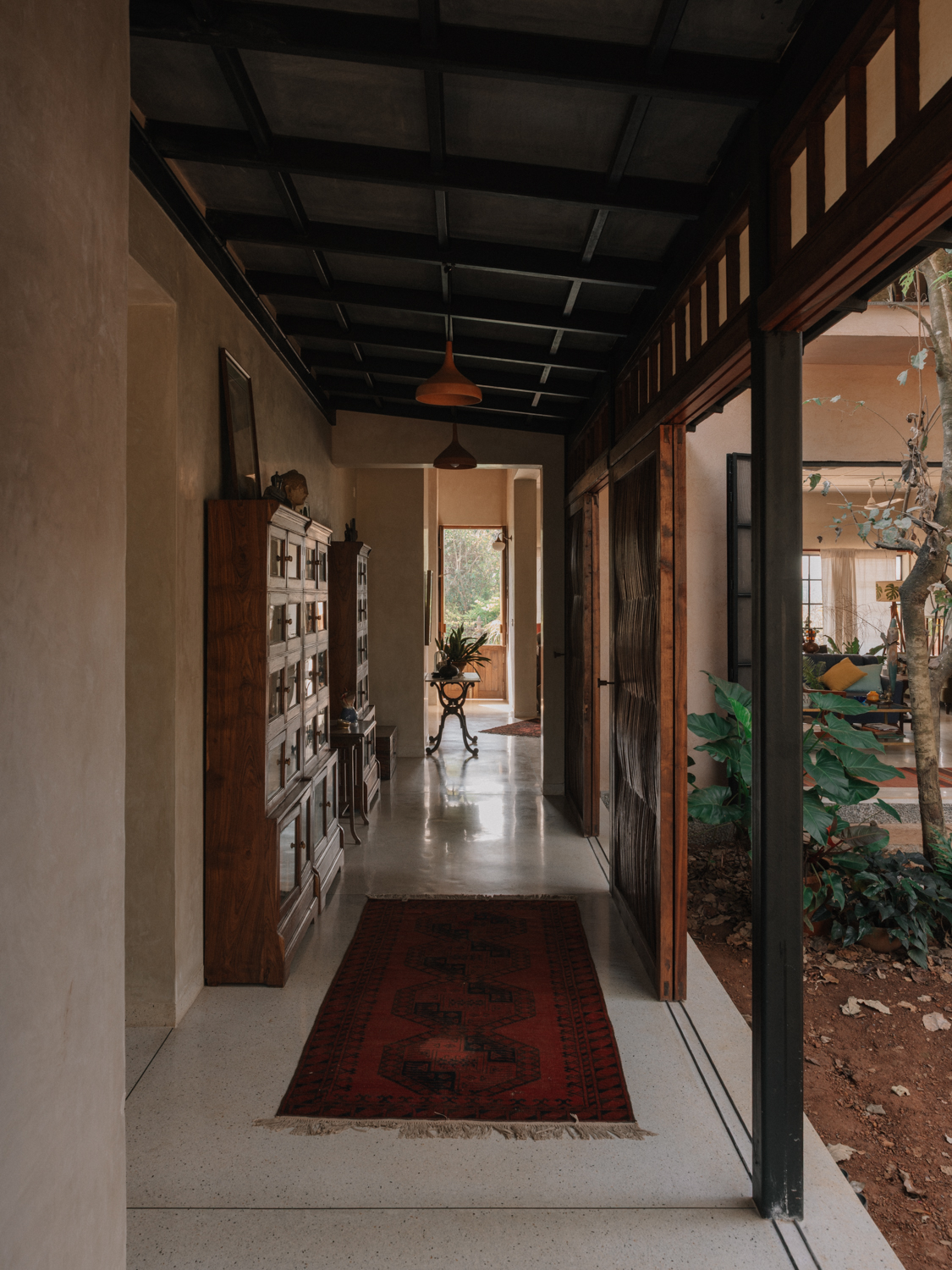
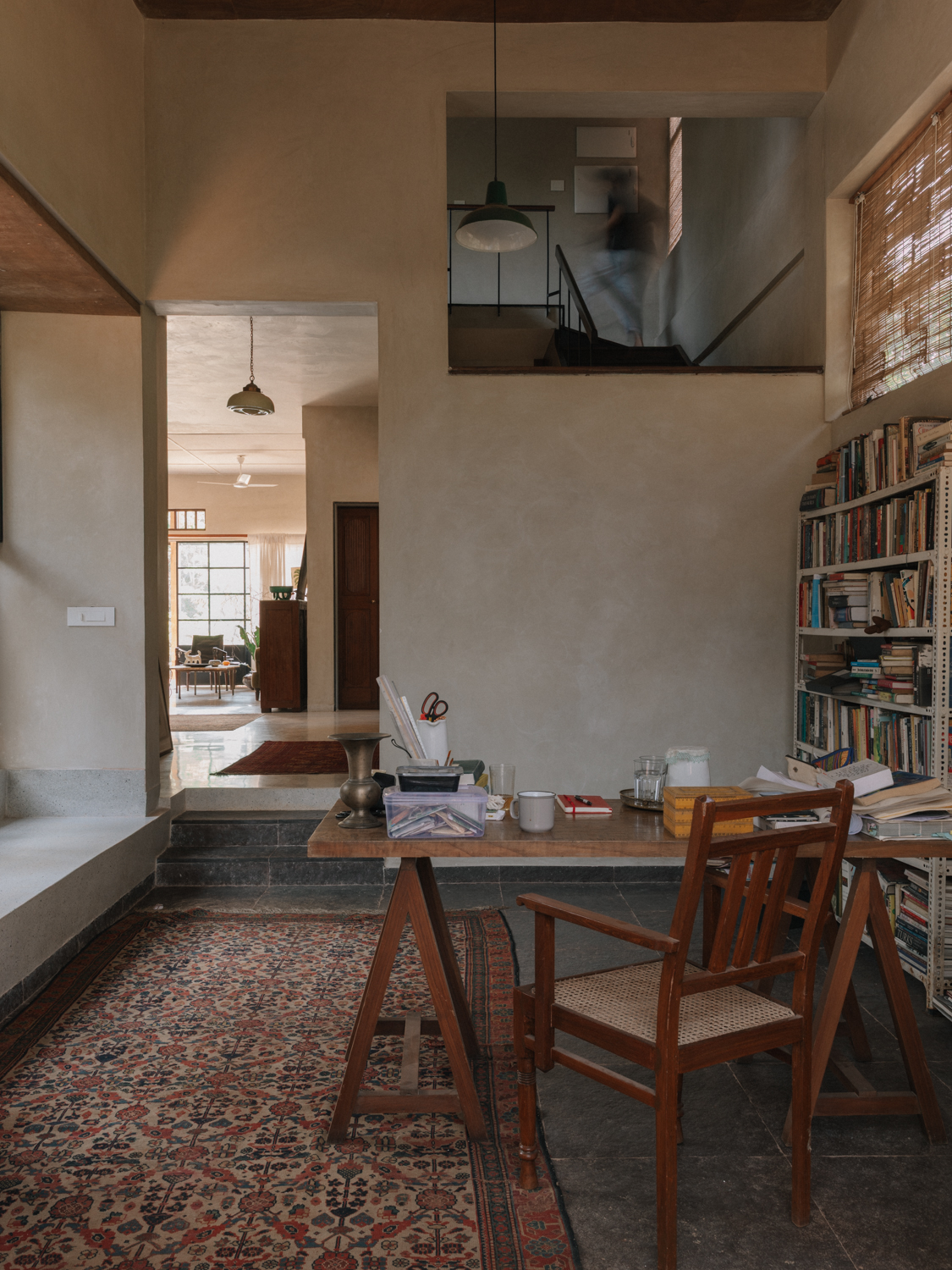
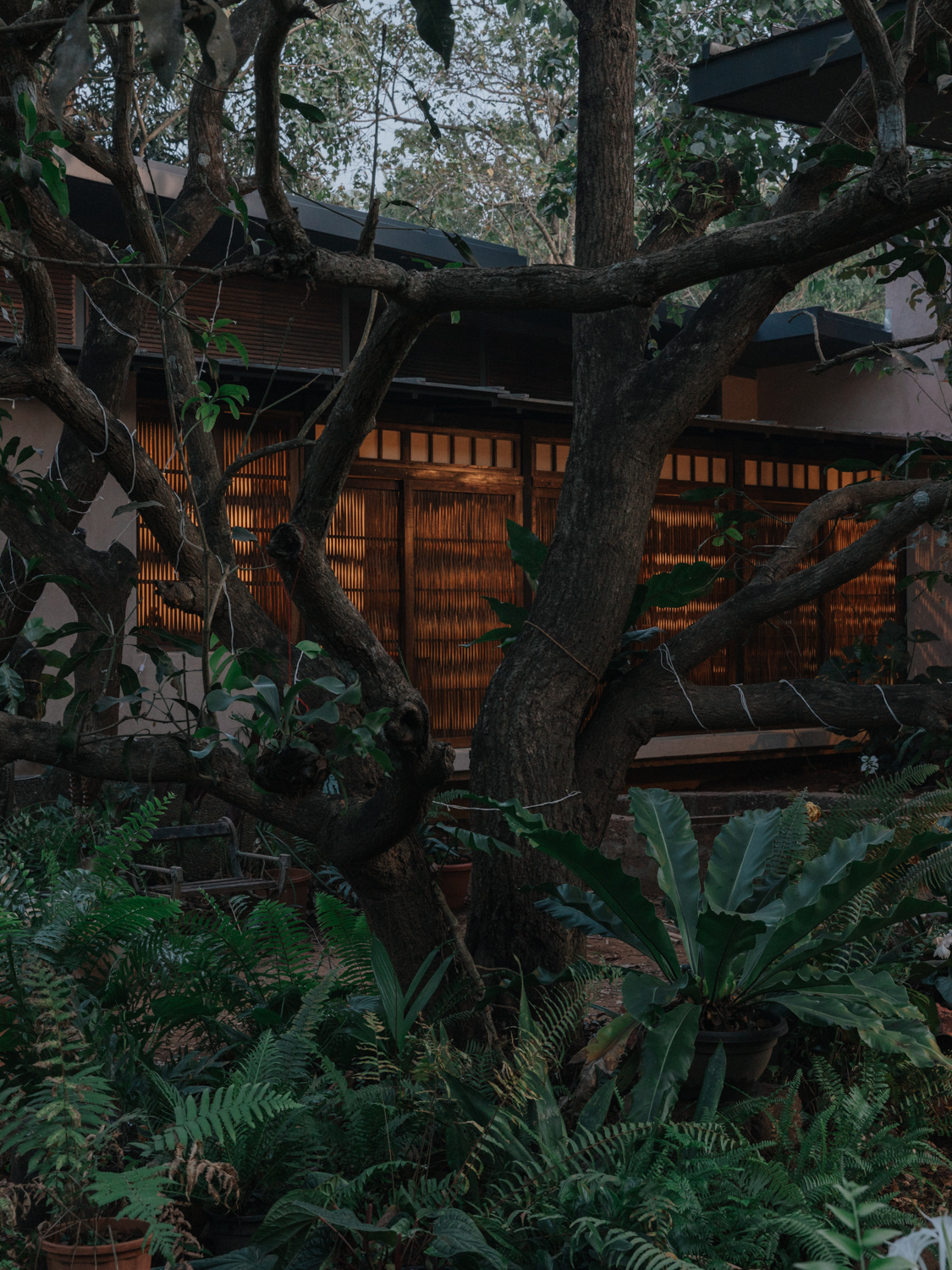
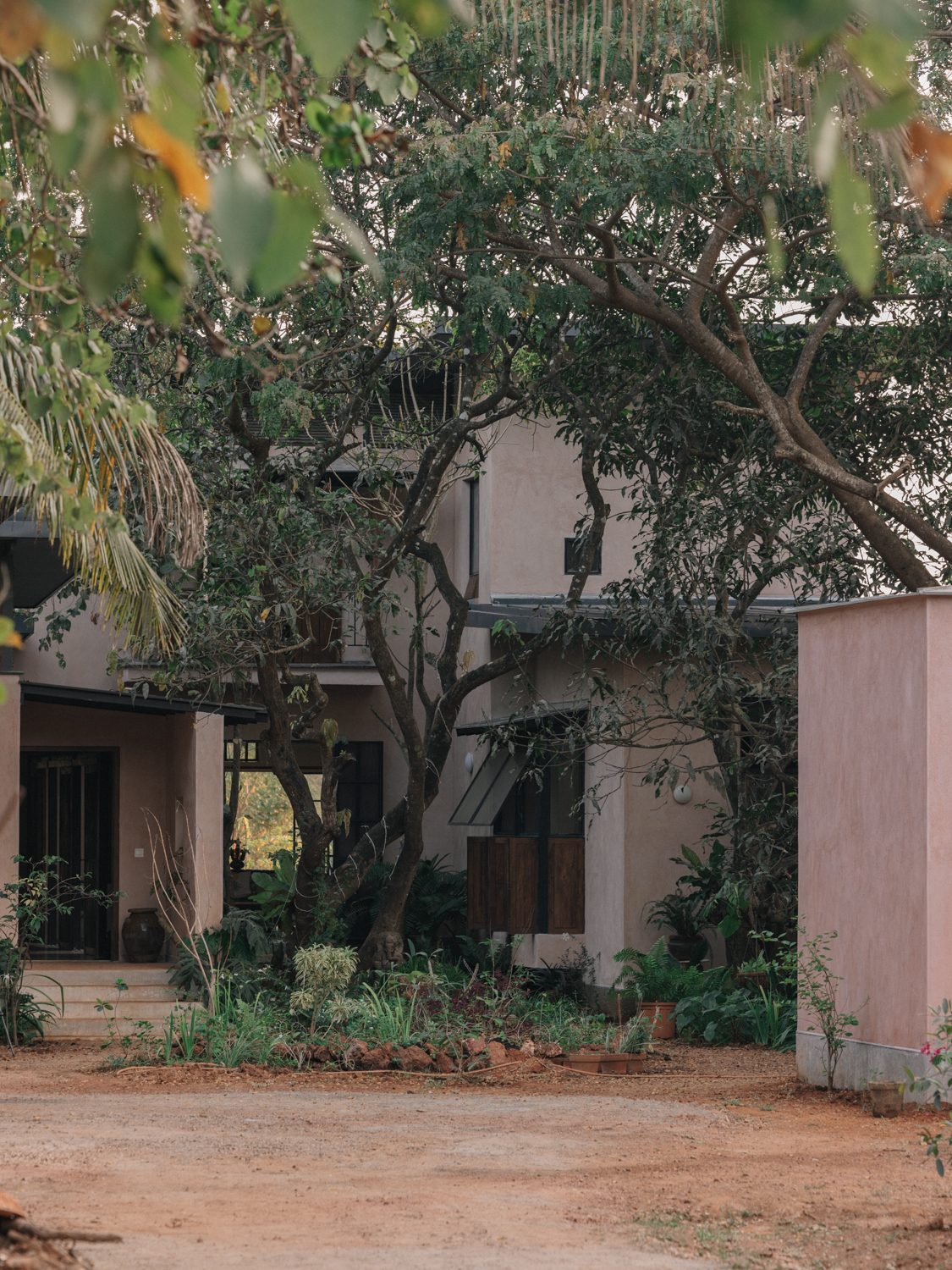
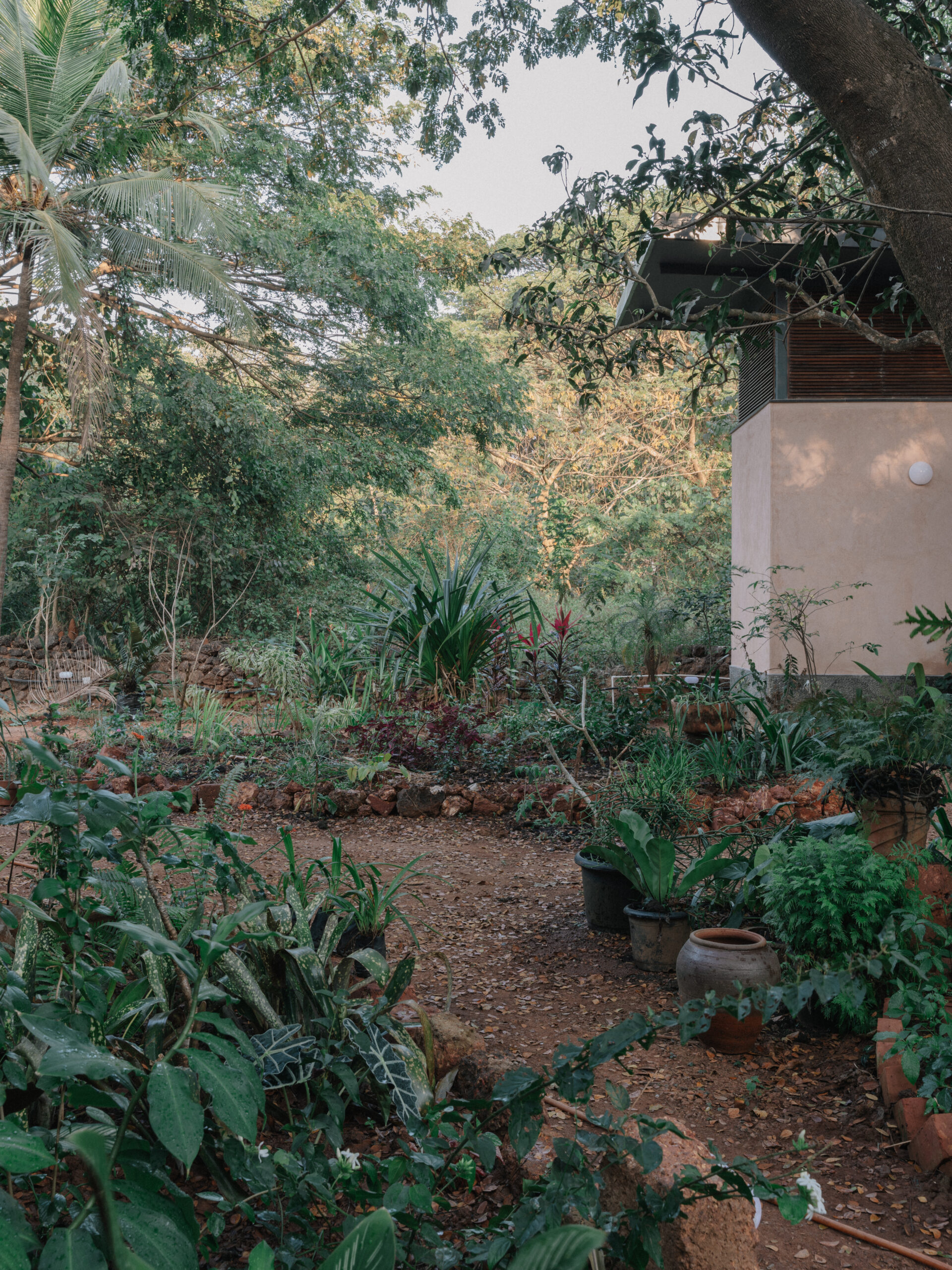
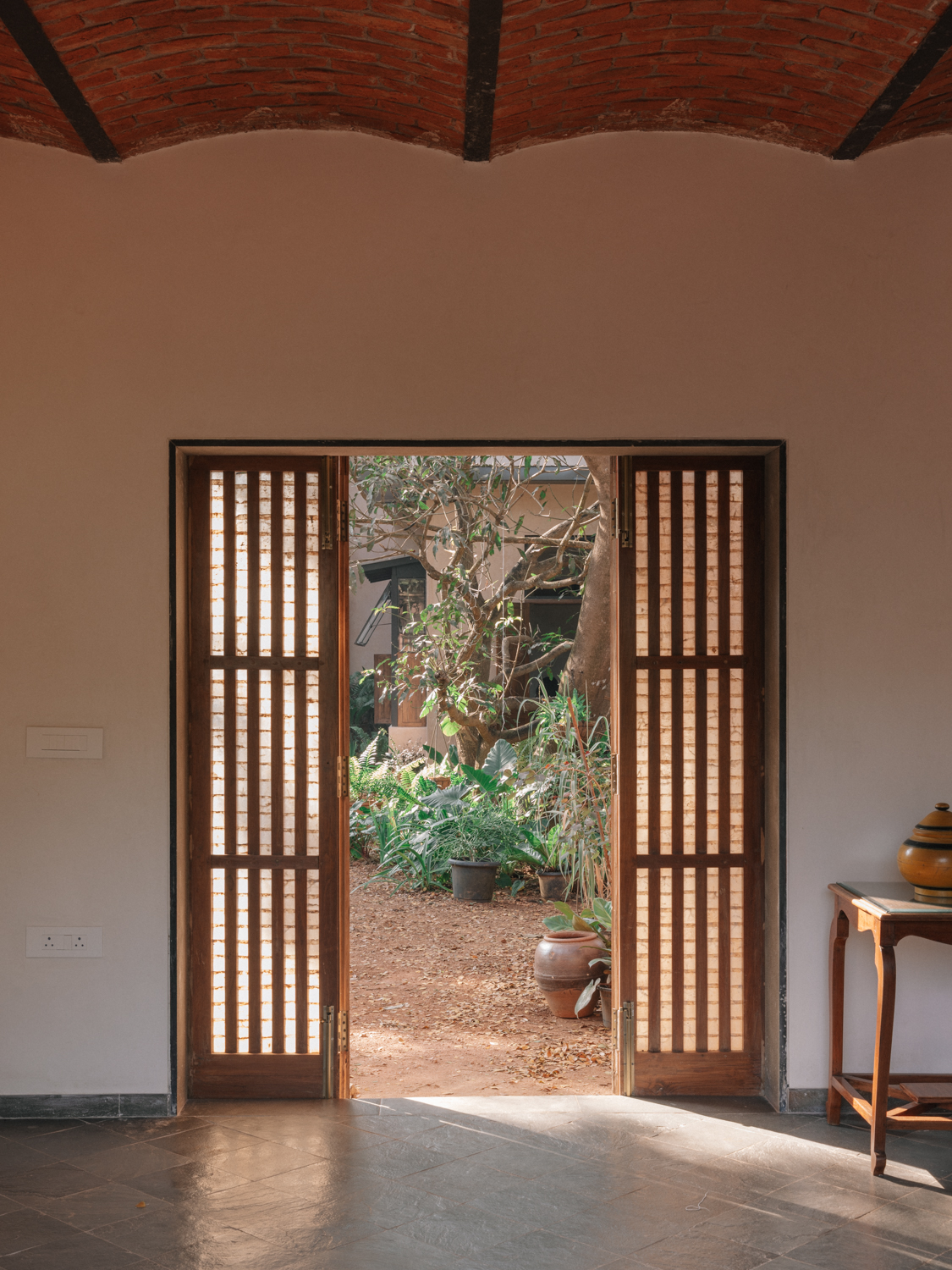
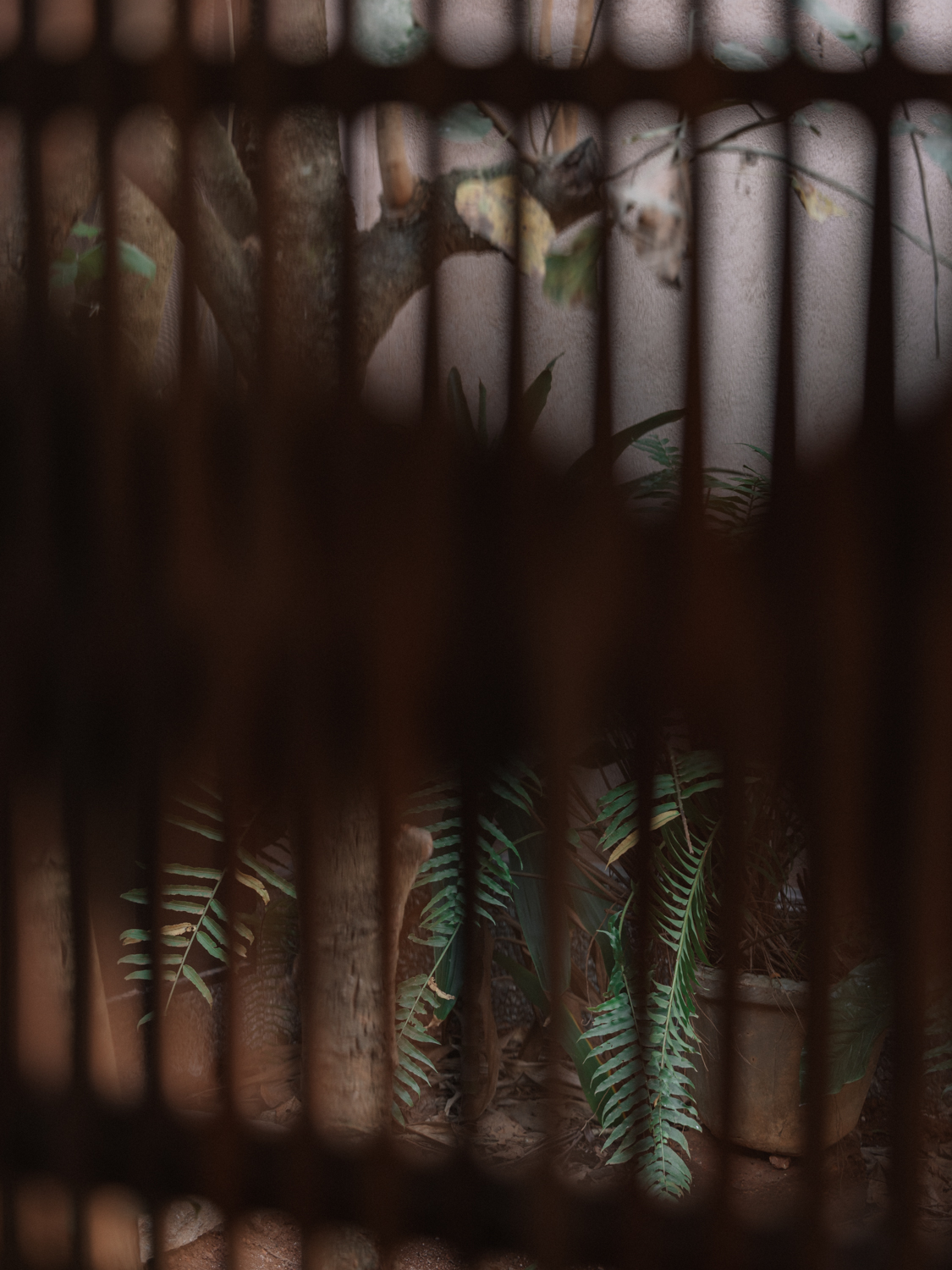
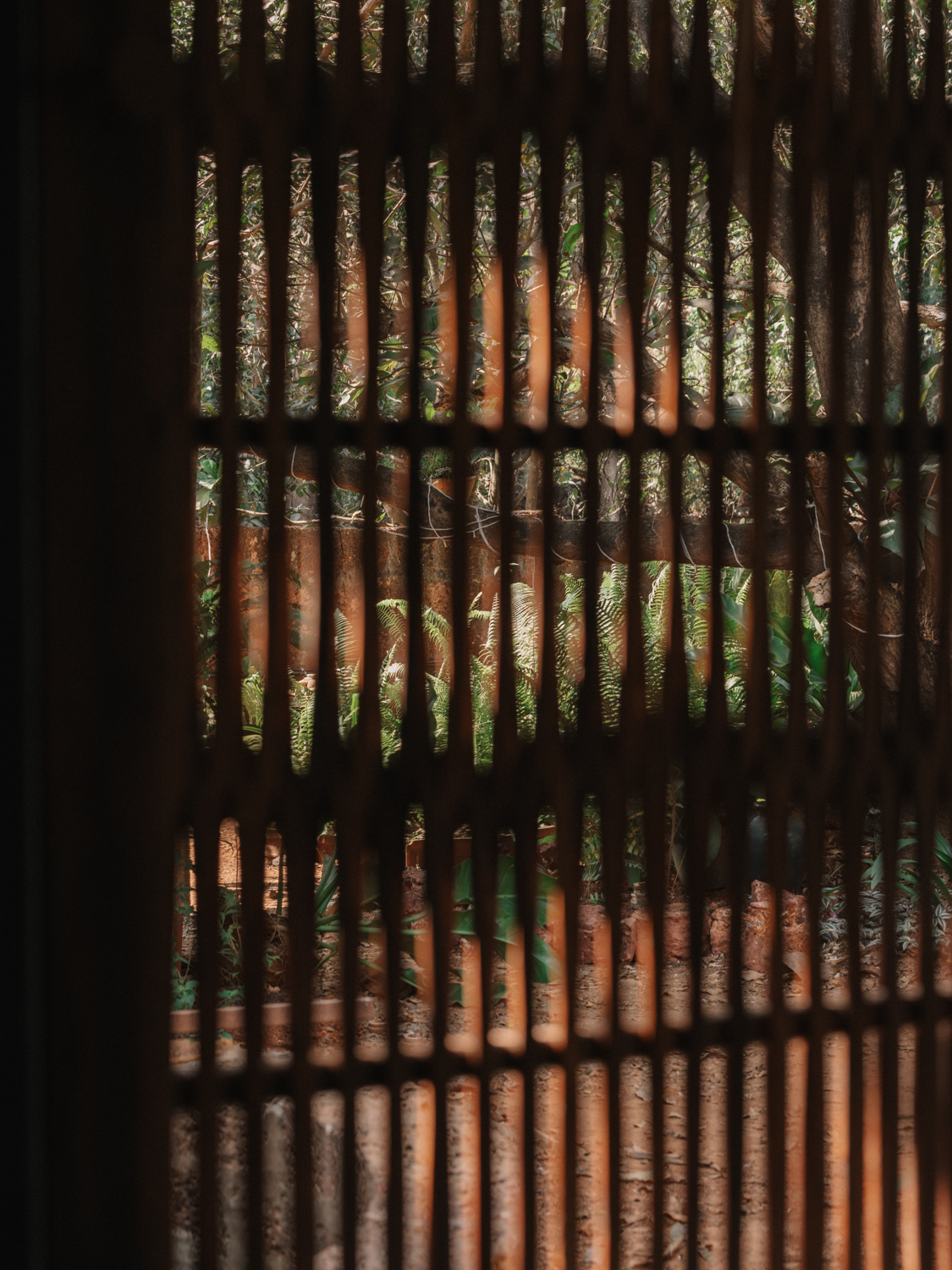
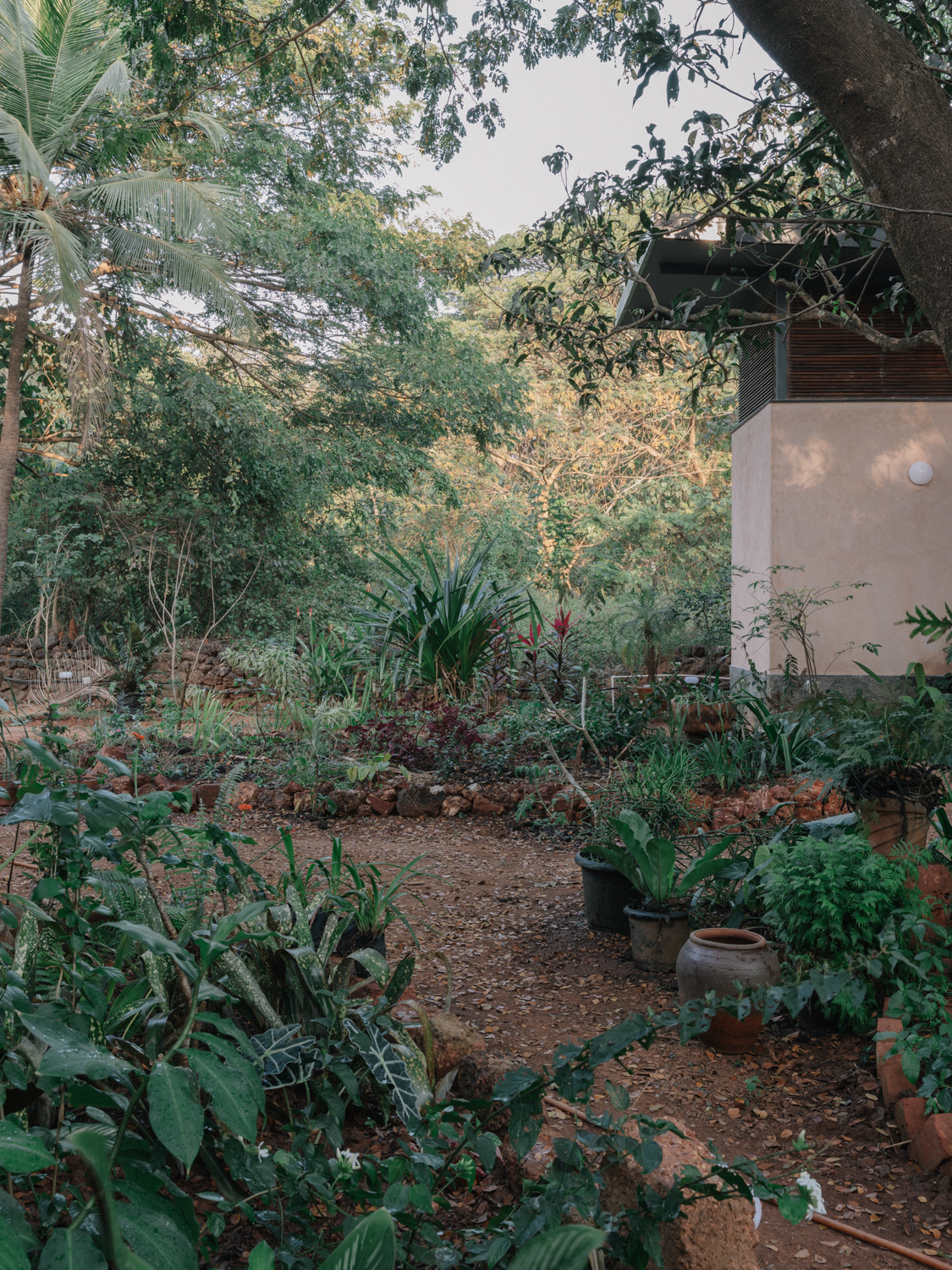
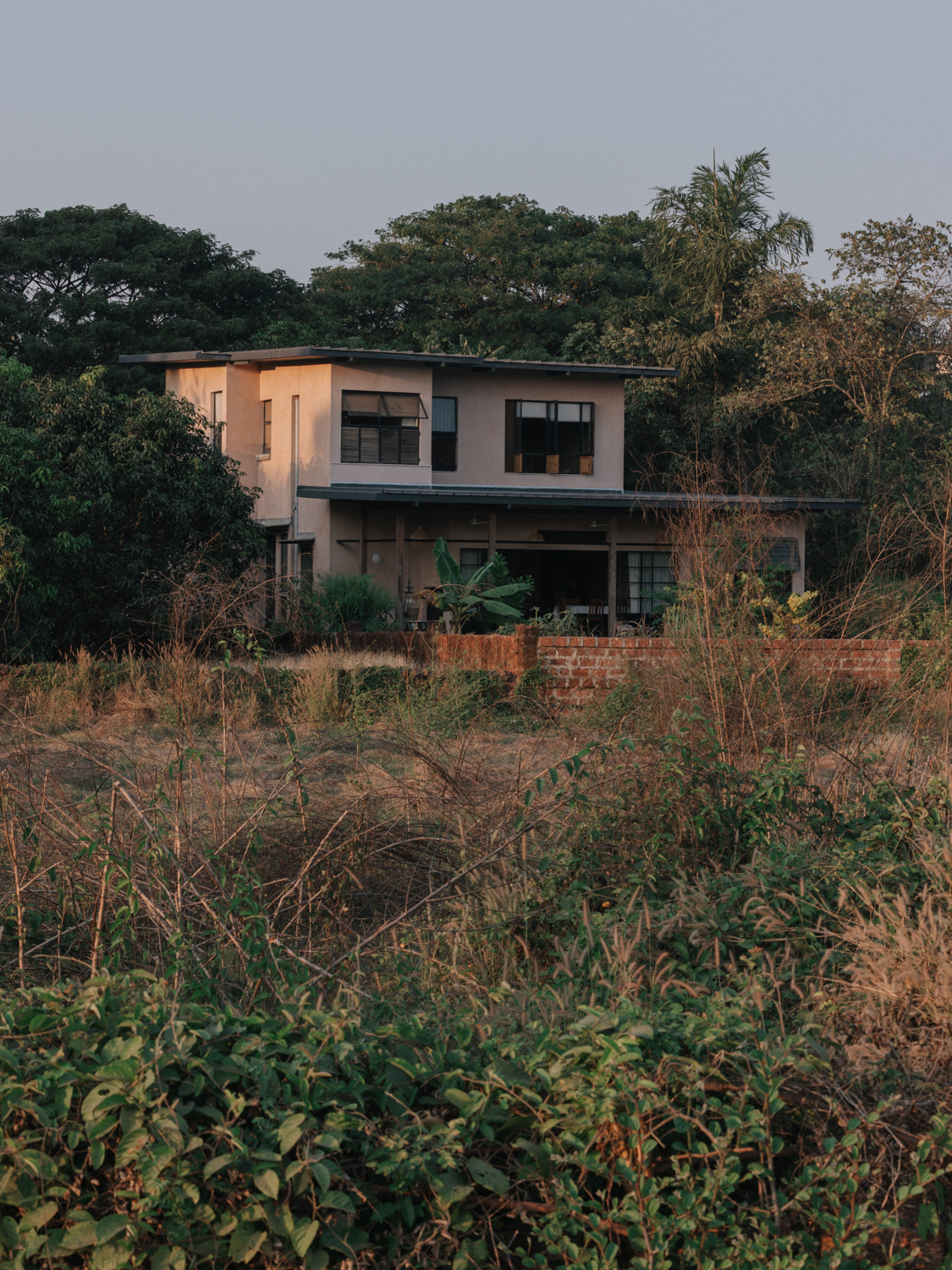
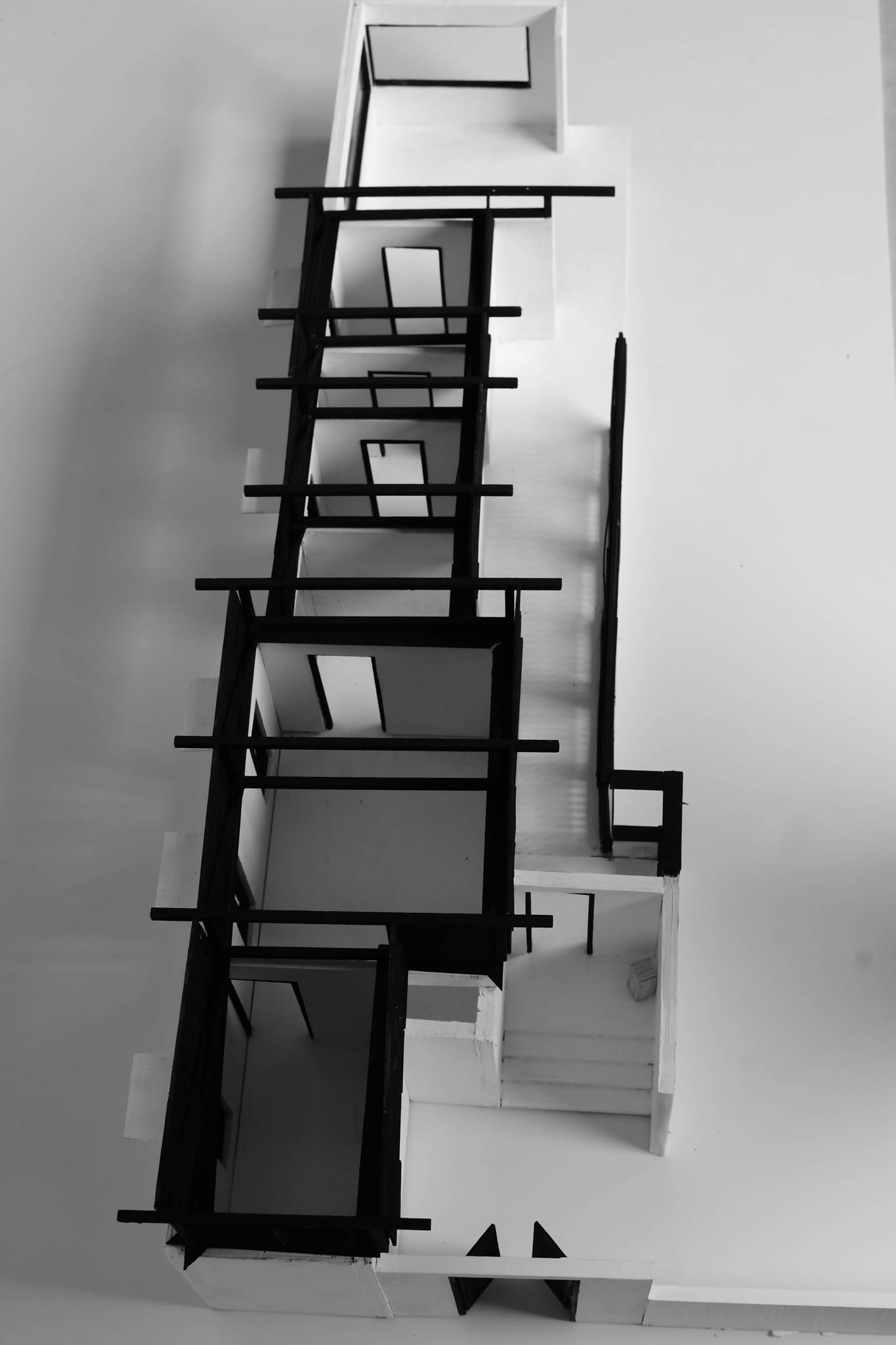
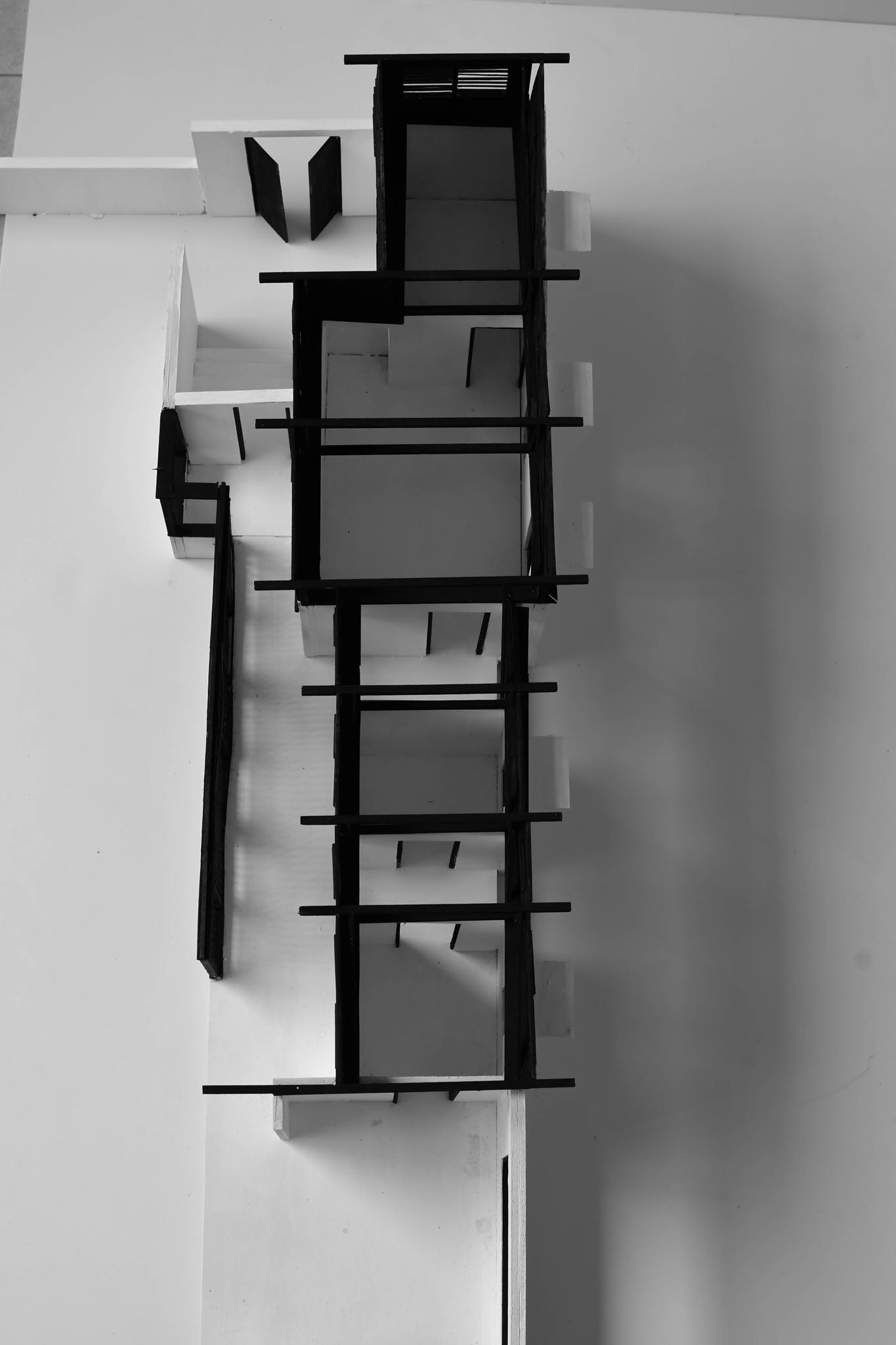
The site/place had a feeling of ‘going to’ as it is not abutting a road or visible from it. This feeling called for a possible journey to the house. The site, a linear piece of land, in its natural state had an inherent quality of light and shade due to the absence and presence of vegetation. The existing vegetation and the proposed plan to introduce gardens led to the possibility of the story changing as per seasons. The house is therefore imagined as a pavilion or a stage to view the gardens and its seasonal unfolding. Some intimate views, some more direct, some layered. The place has a possibility of being in an intimate relationship with the outside as it almost forms an island on the parcel of land within the capricious landscape. The roof, the walls and the apertures allow for the nature to be received at all times. The perpetual accessibility to the ground allows the house to behave as a thoroughfare than a culmination. The utilitarian spaces are planned along the passage allowing life to take place in the ‘in between spaces.’
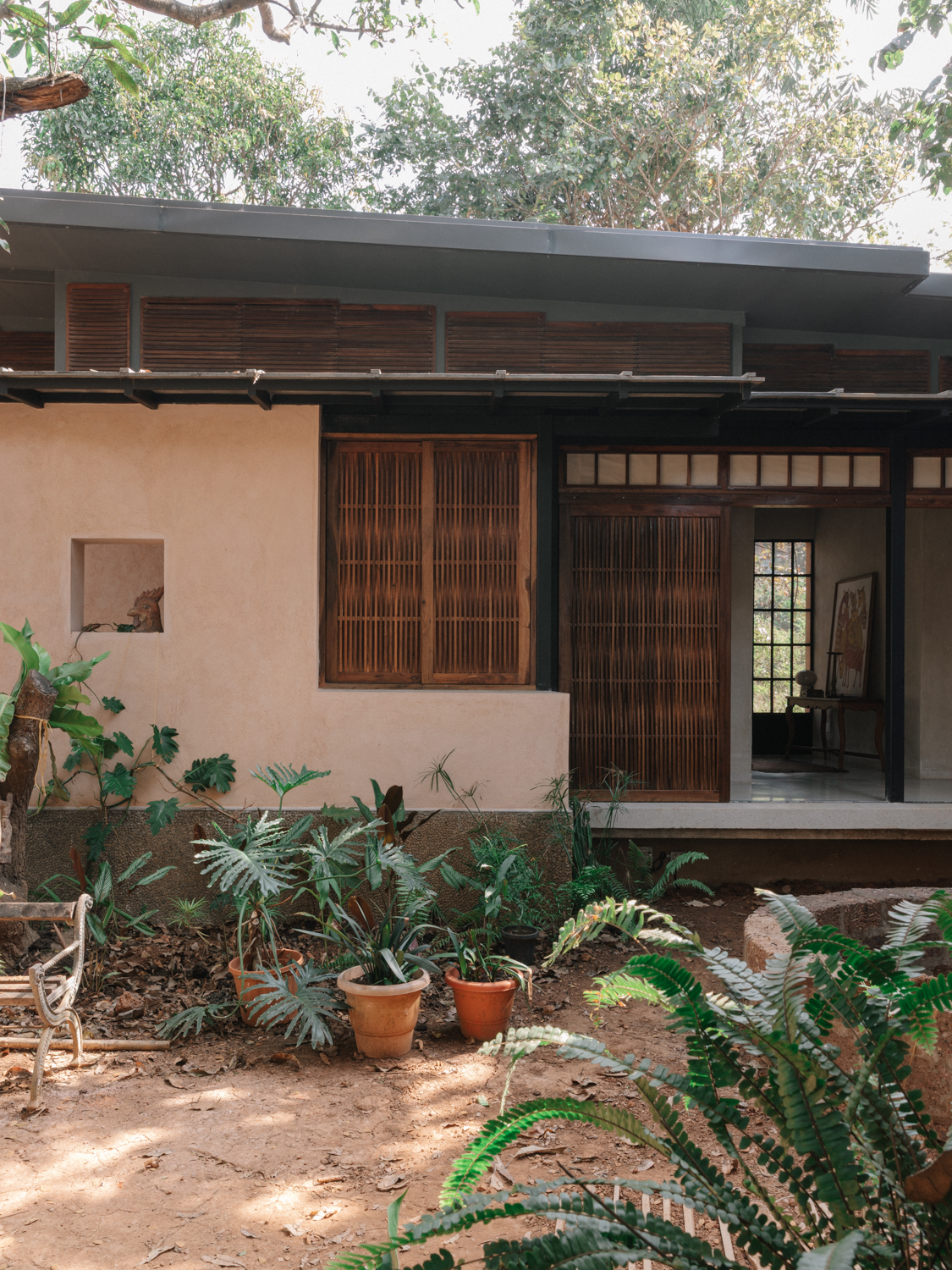
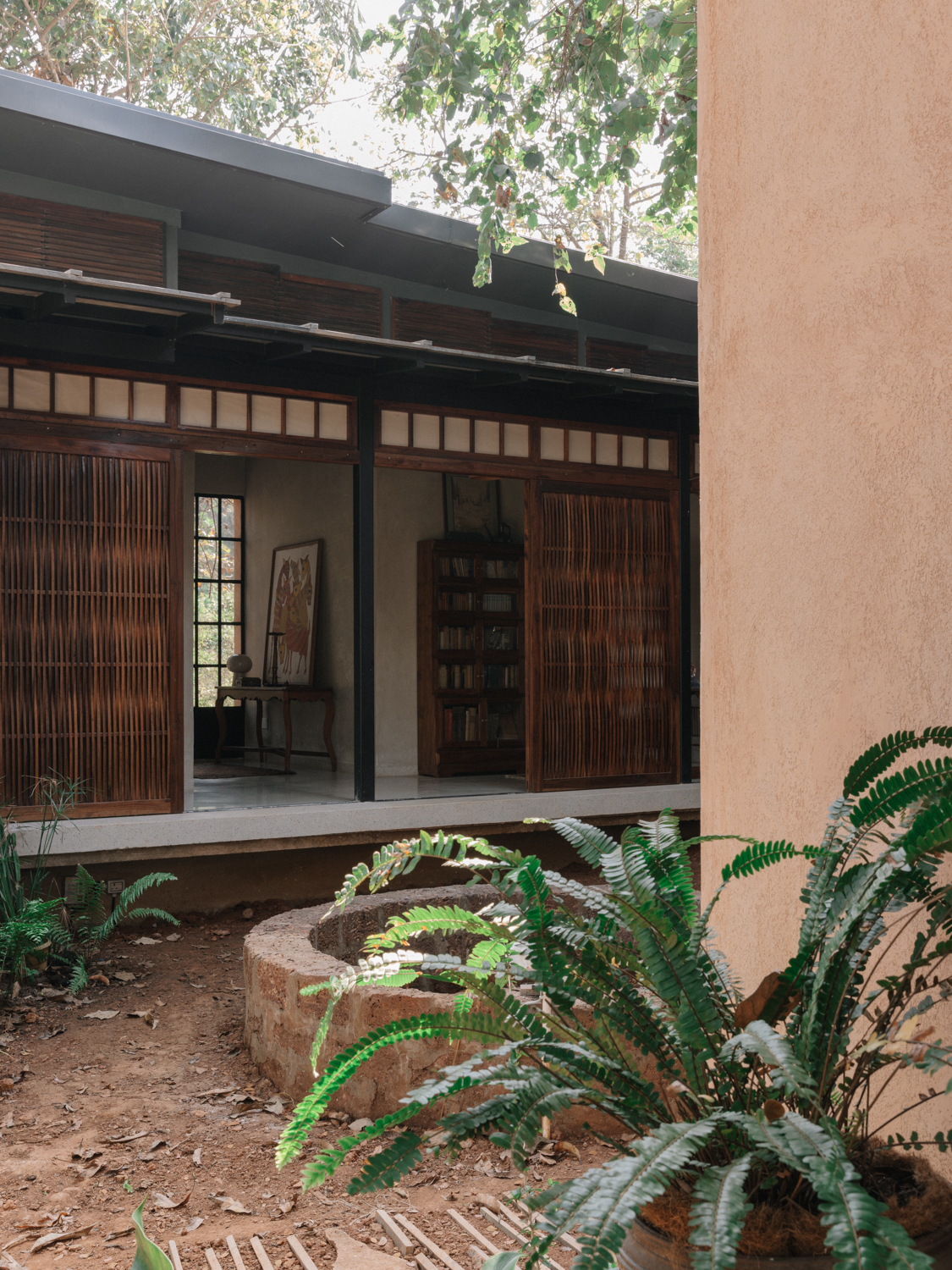
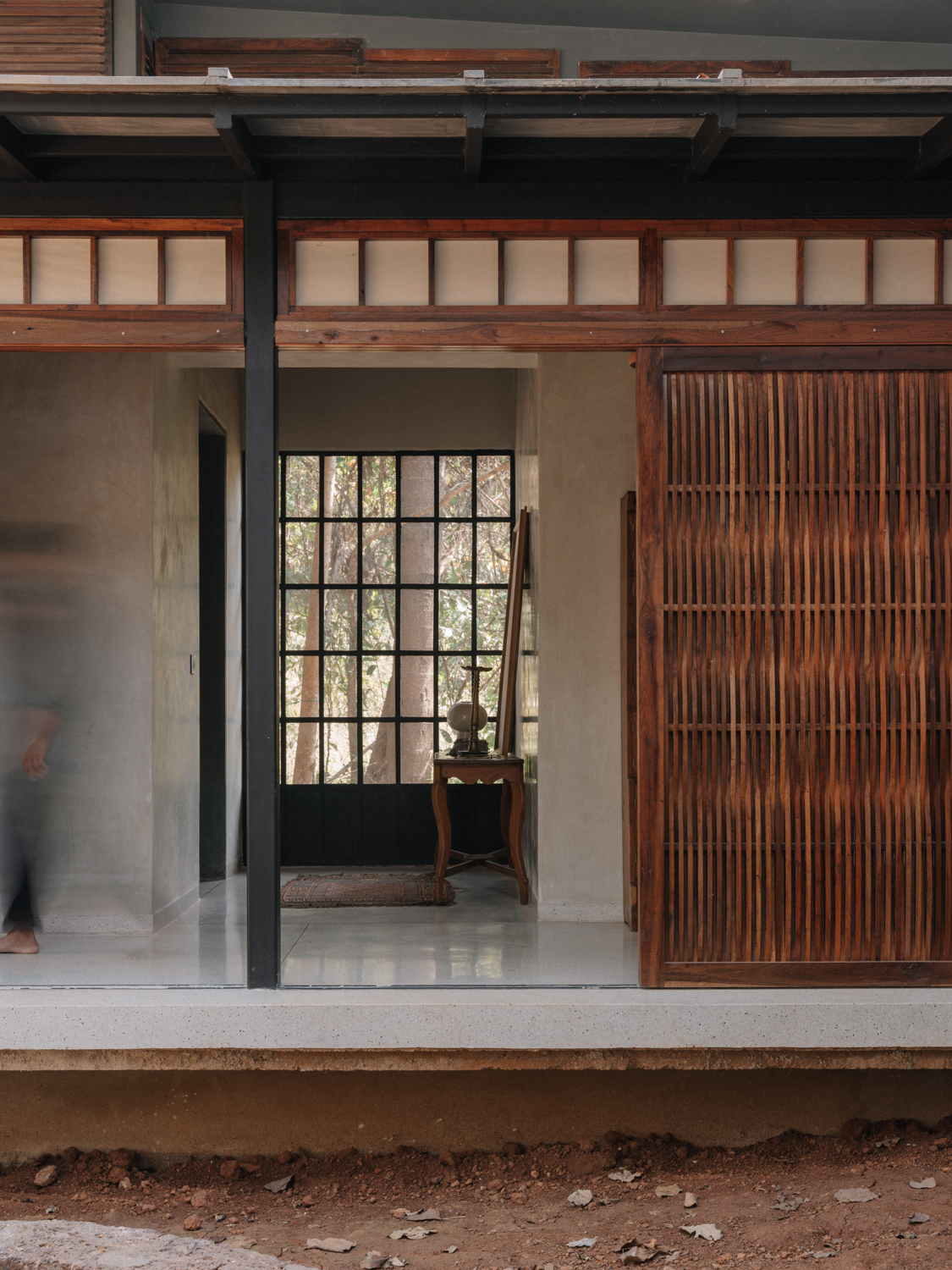
The house is envisaged as a collection of verandahs. Each expandable in its nature to absorb functions.
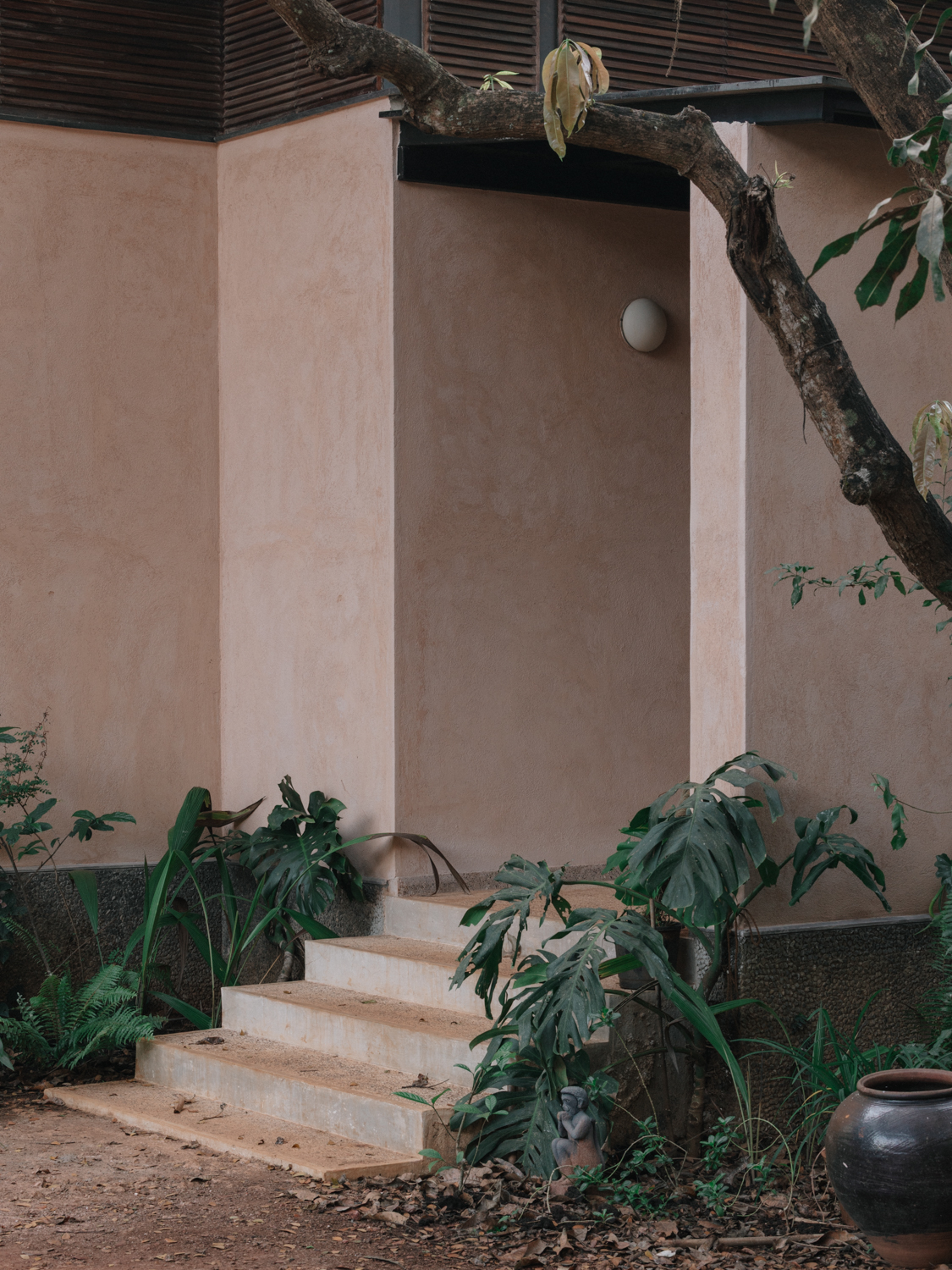
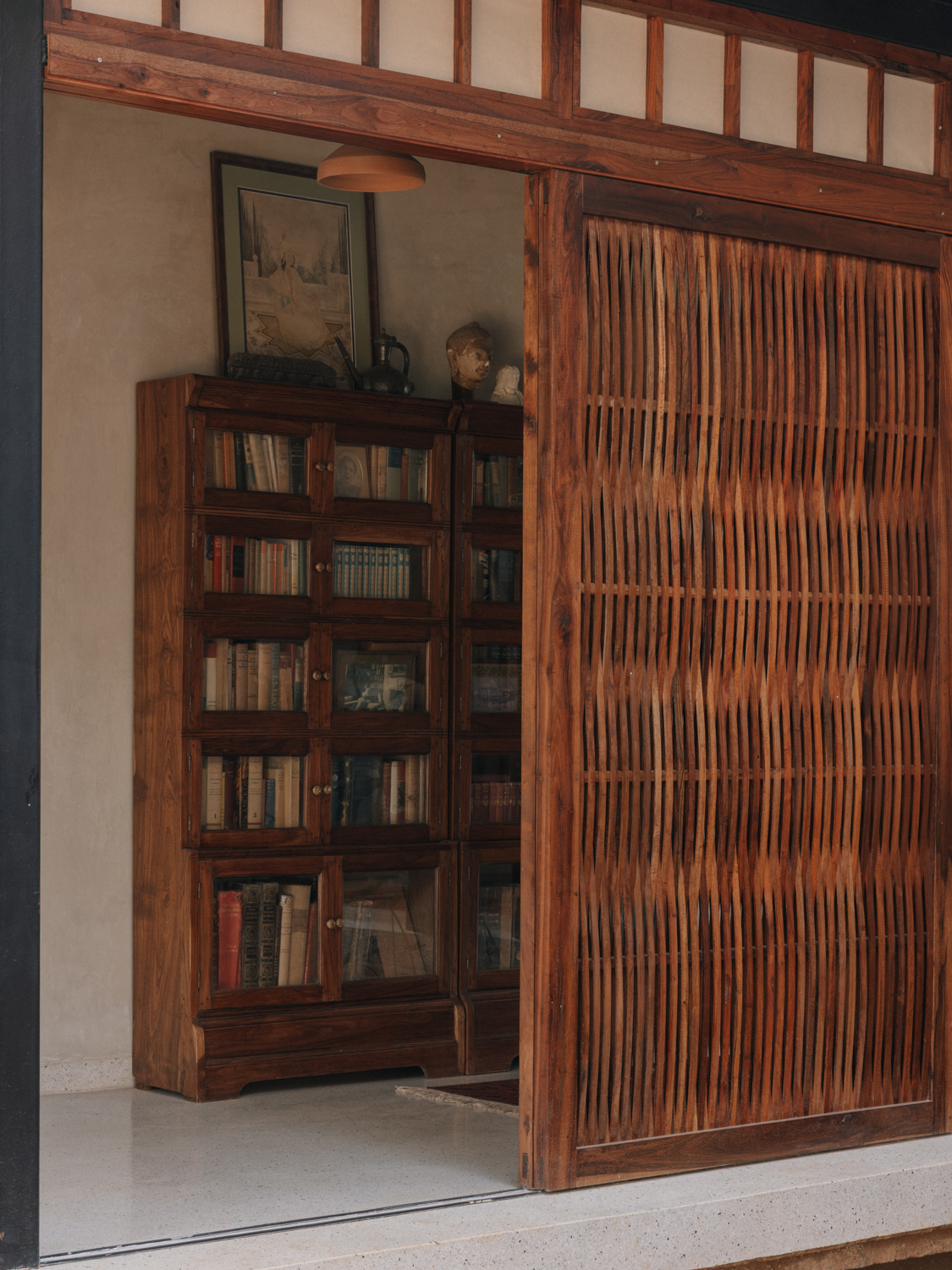
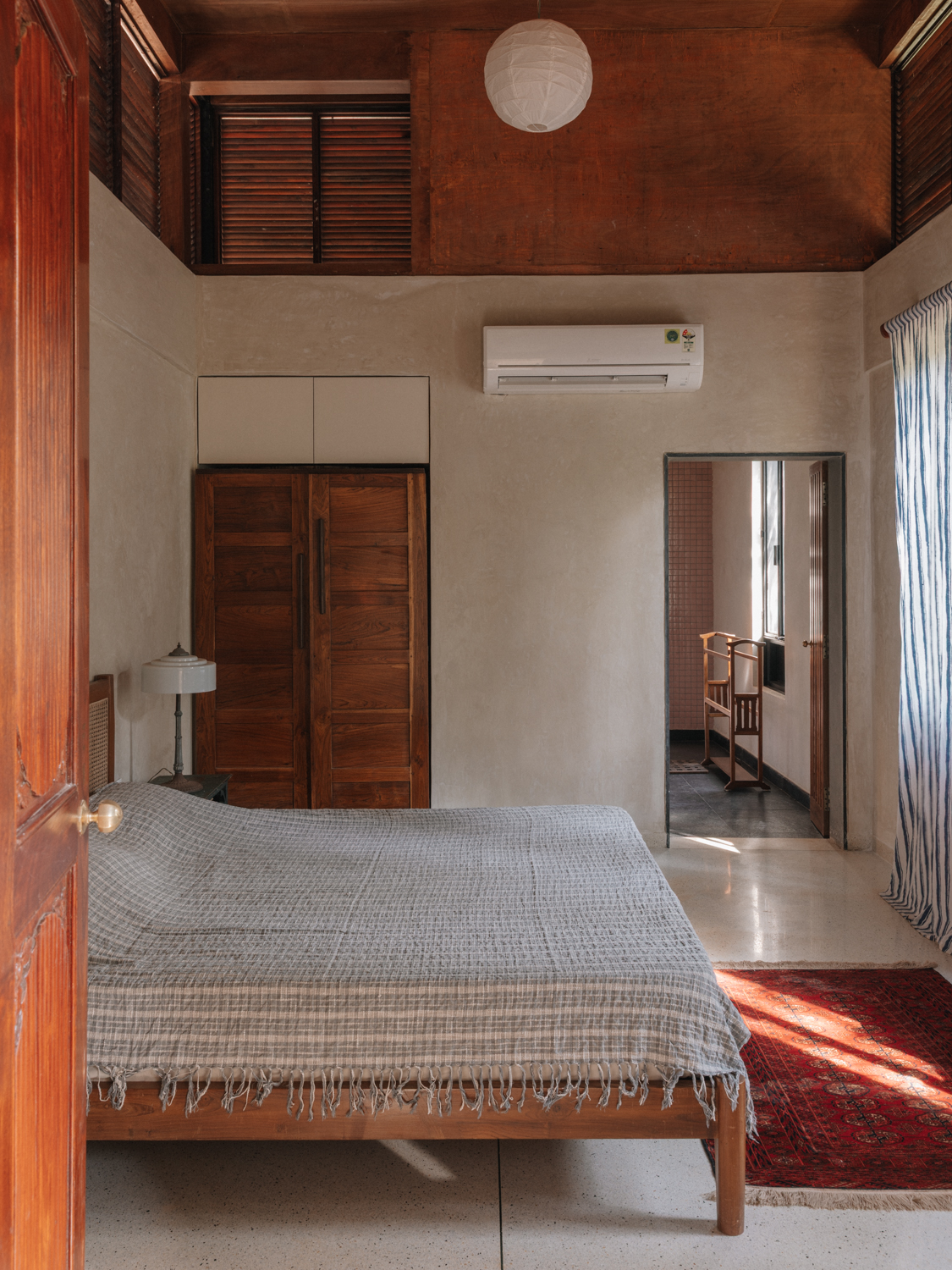
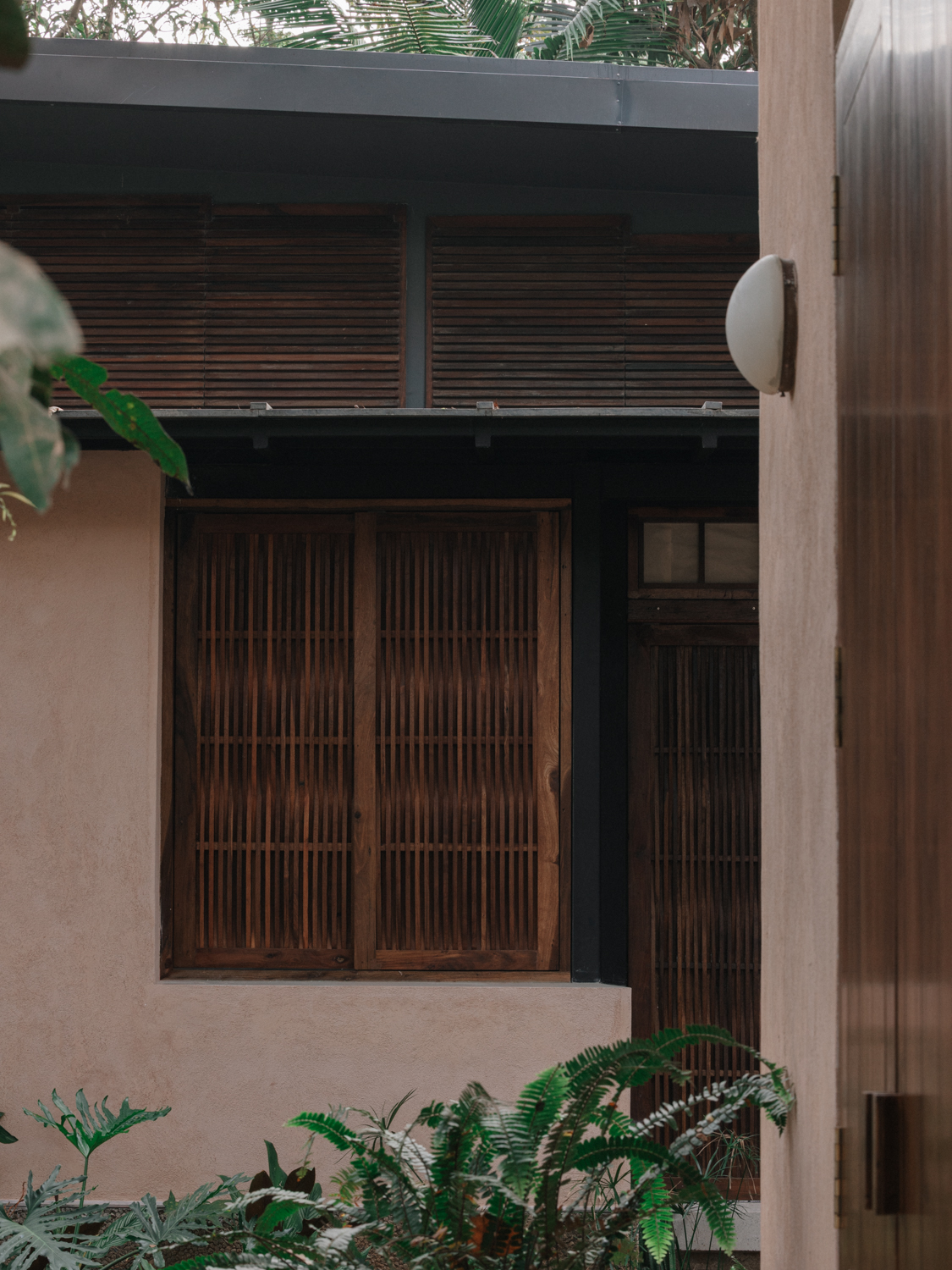
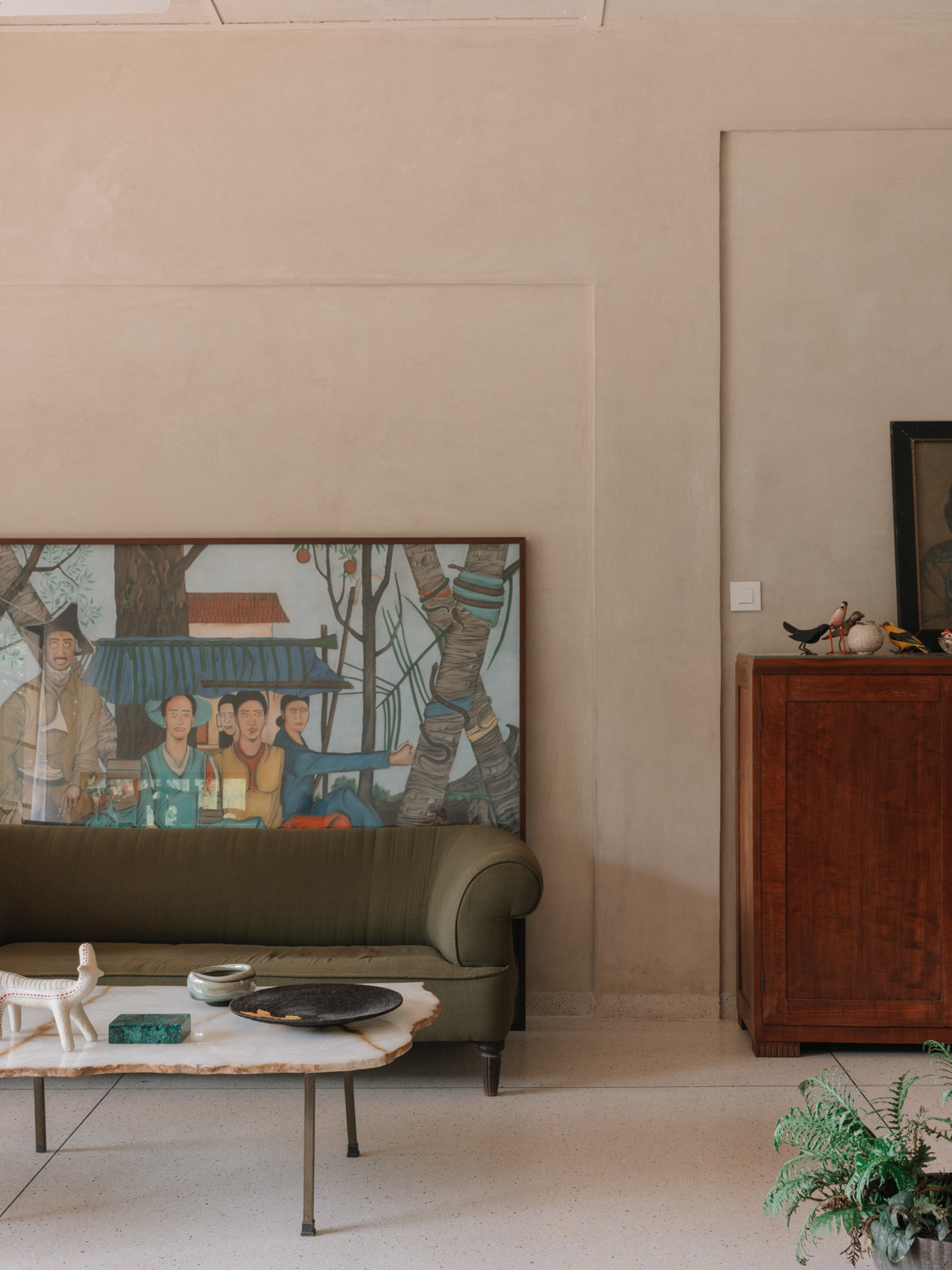
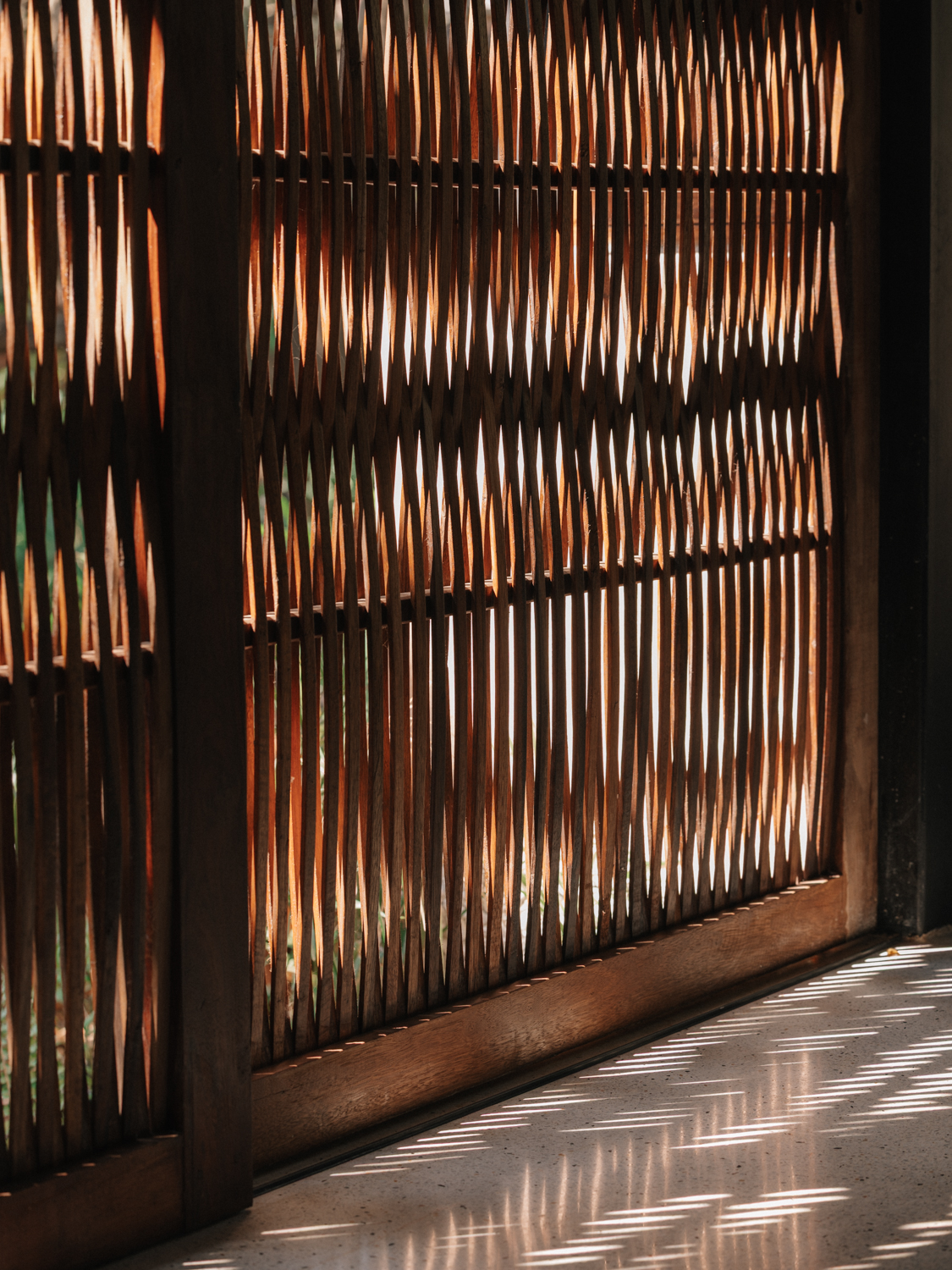
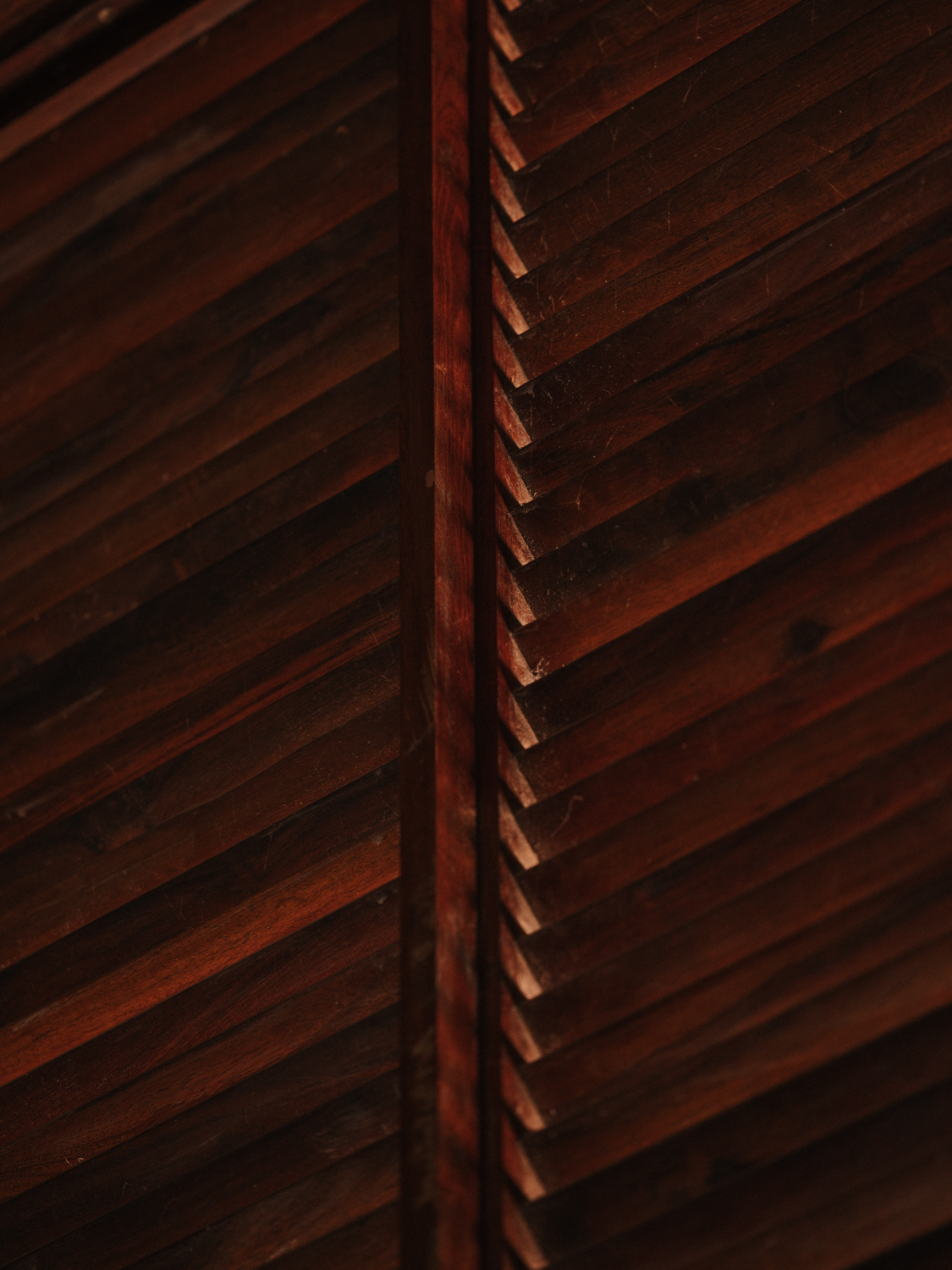
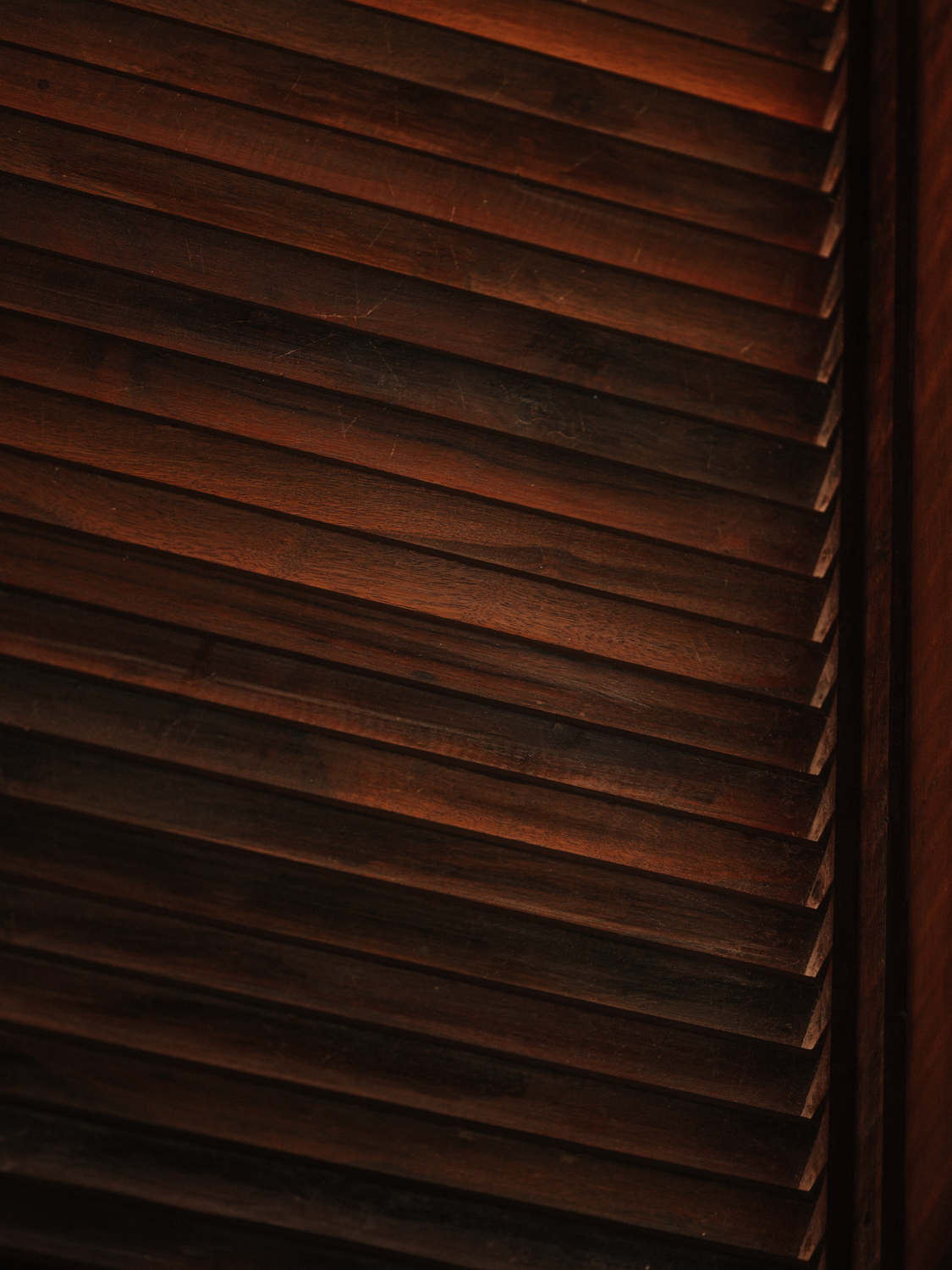
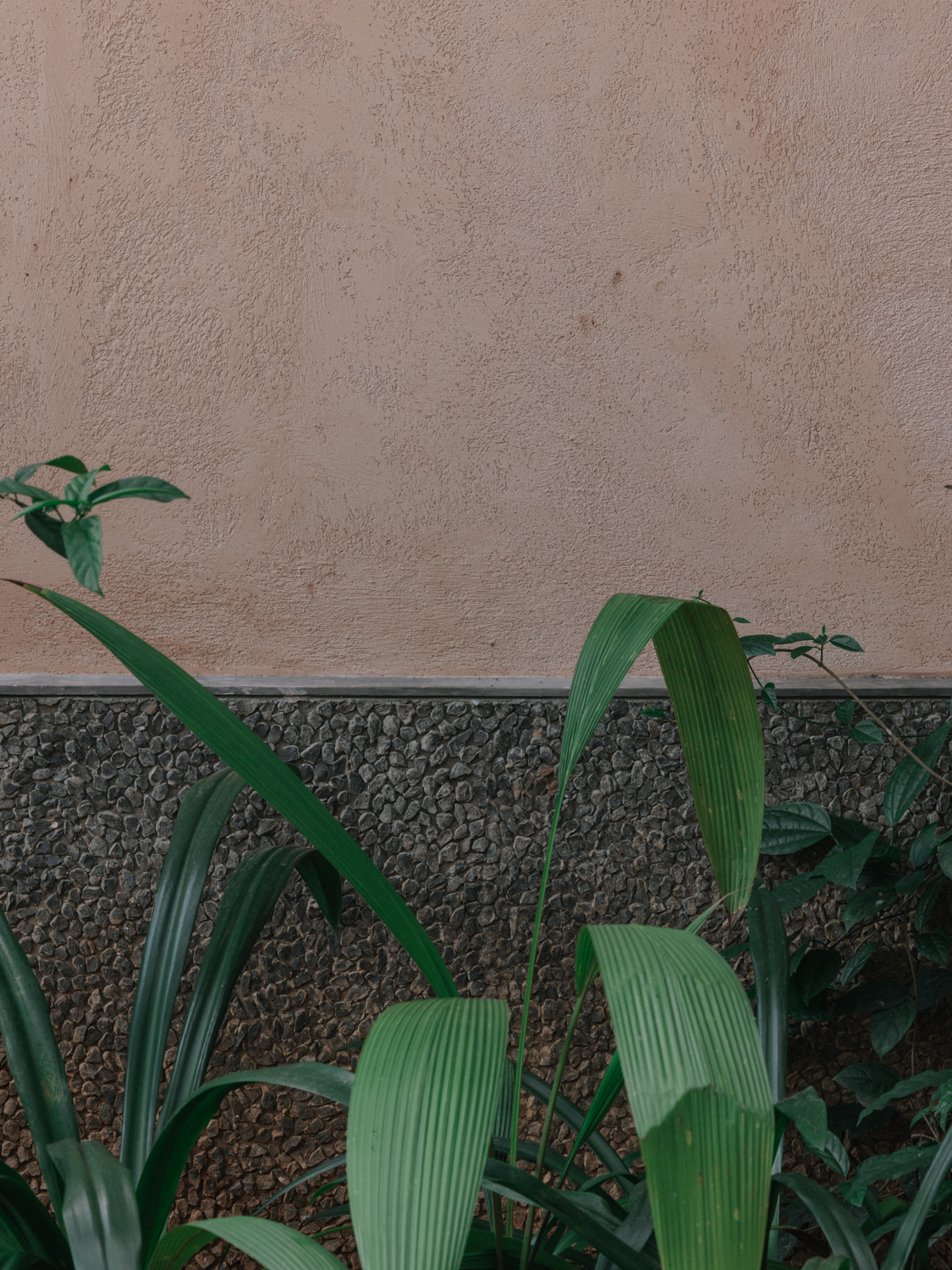
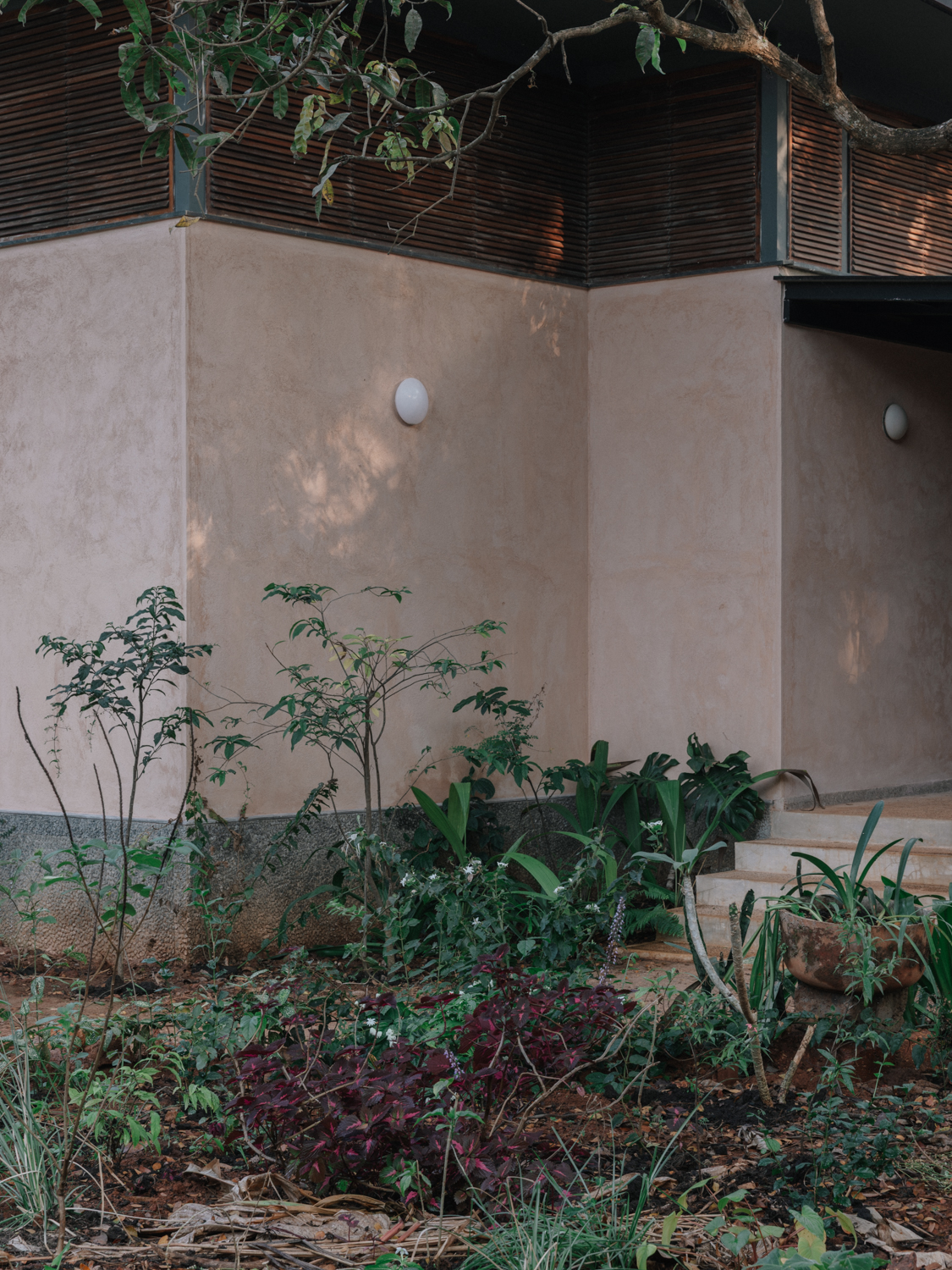
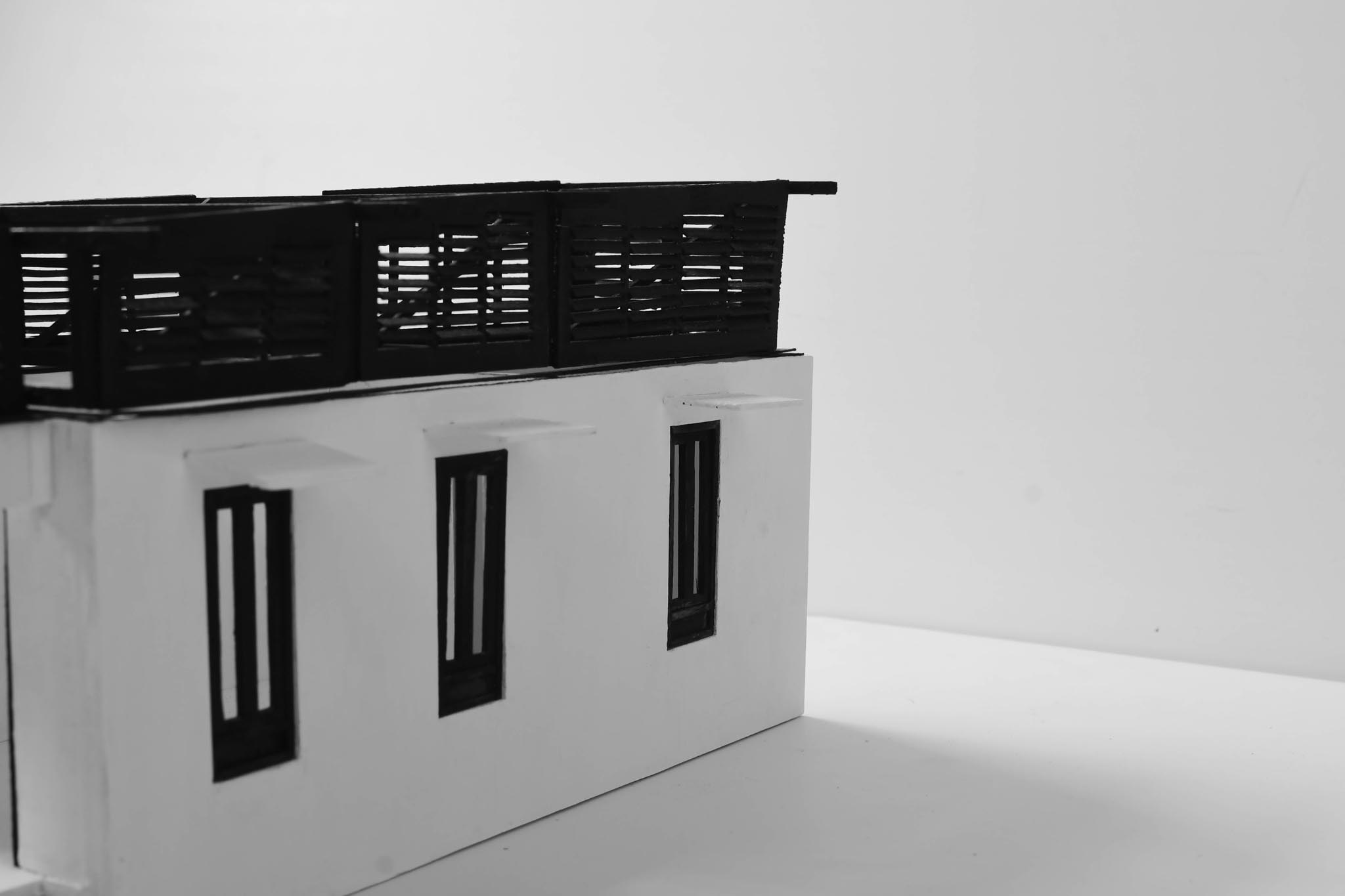
The construction method employs a simple frame structure with infills of hollow clay blocks and plastered and finished internally as well as externally in lime which further aids in keeping the house cool. The wooden louvers under the insulated metal roof allows hot air to escape. The faint light enters through these louvers and washes the dark plywood ceiling creating an intimate atmosphere.
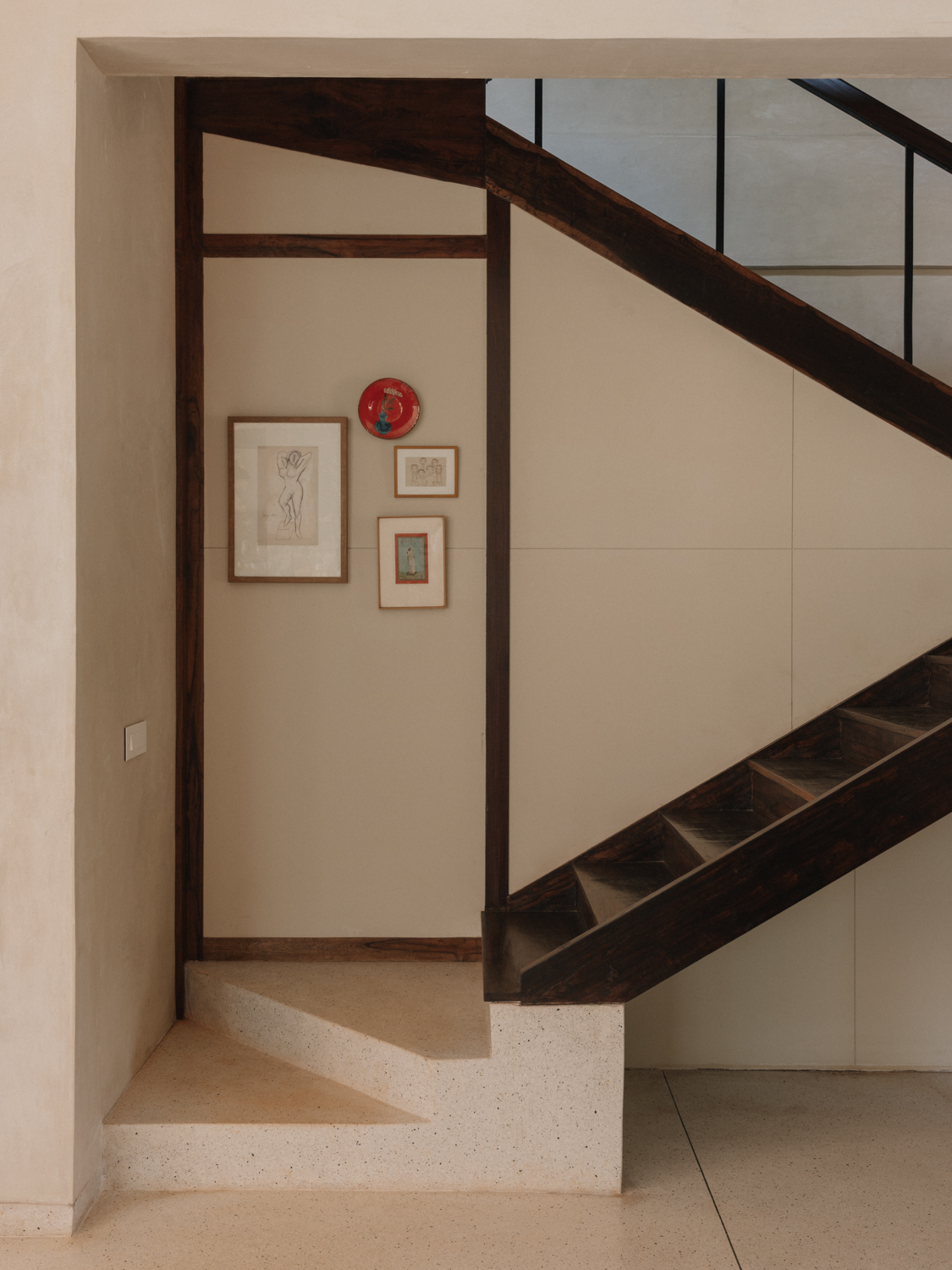
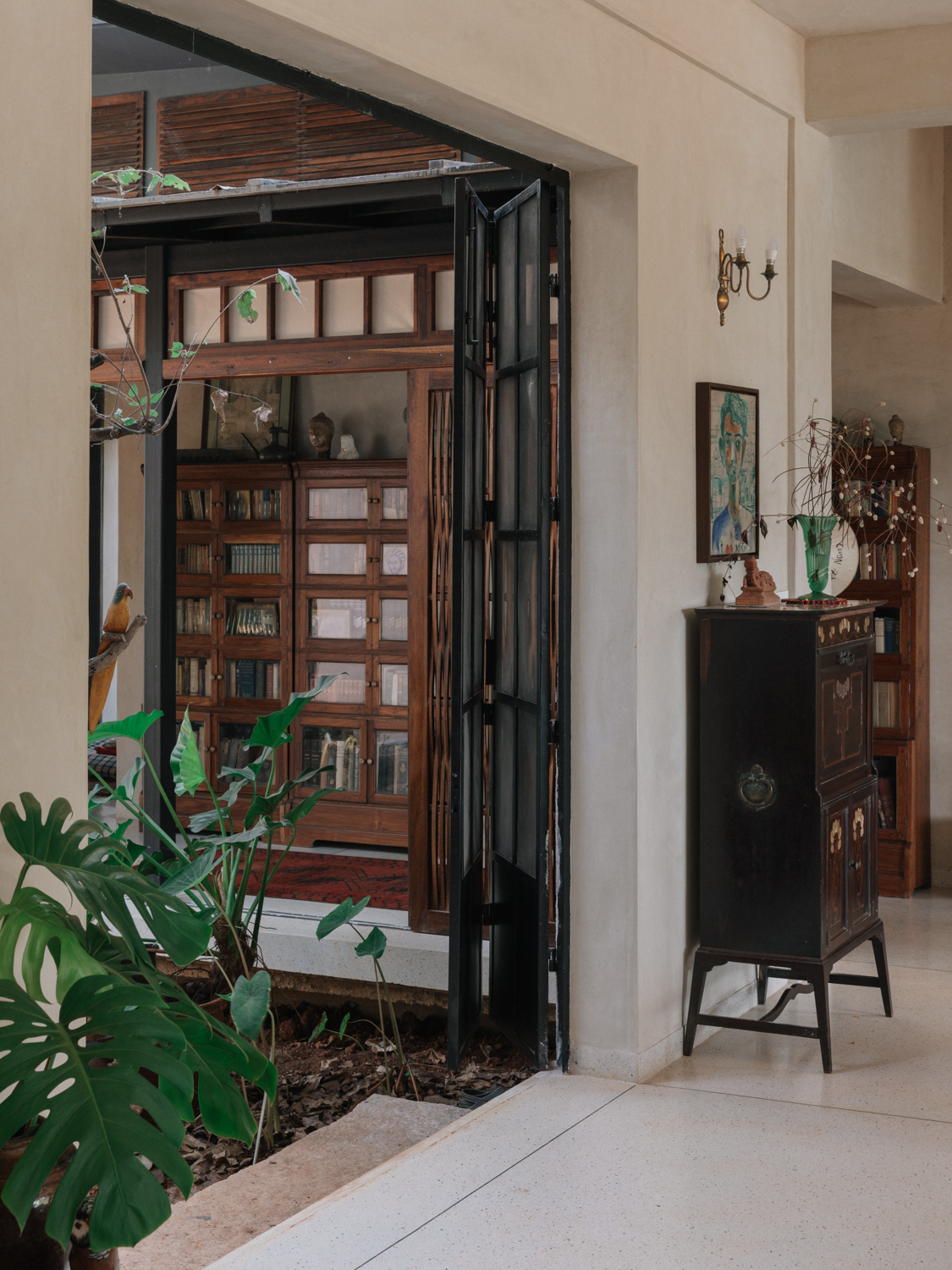
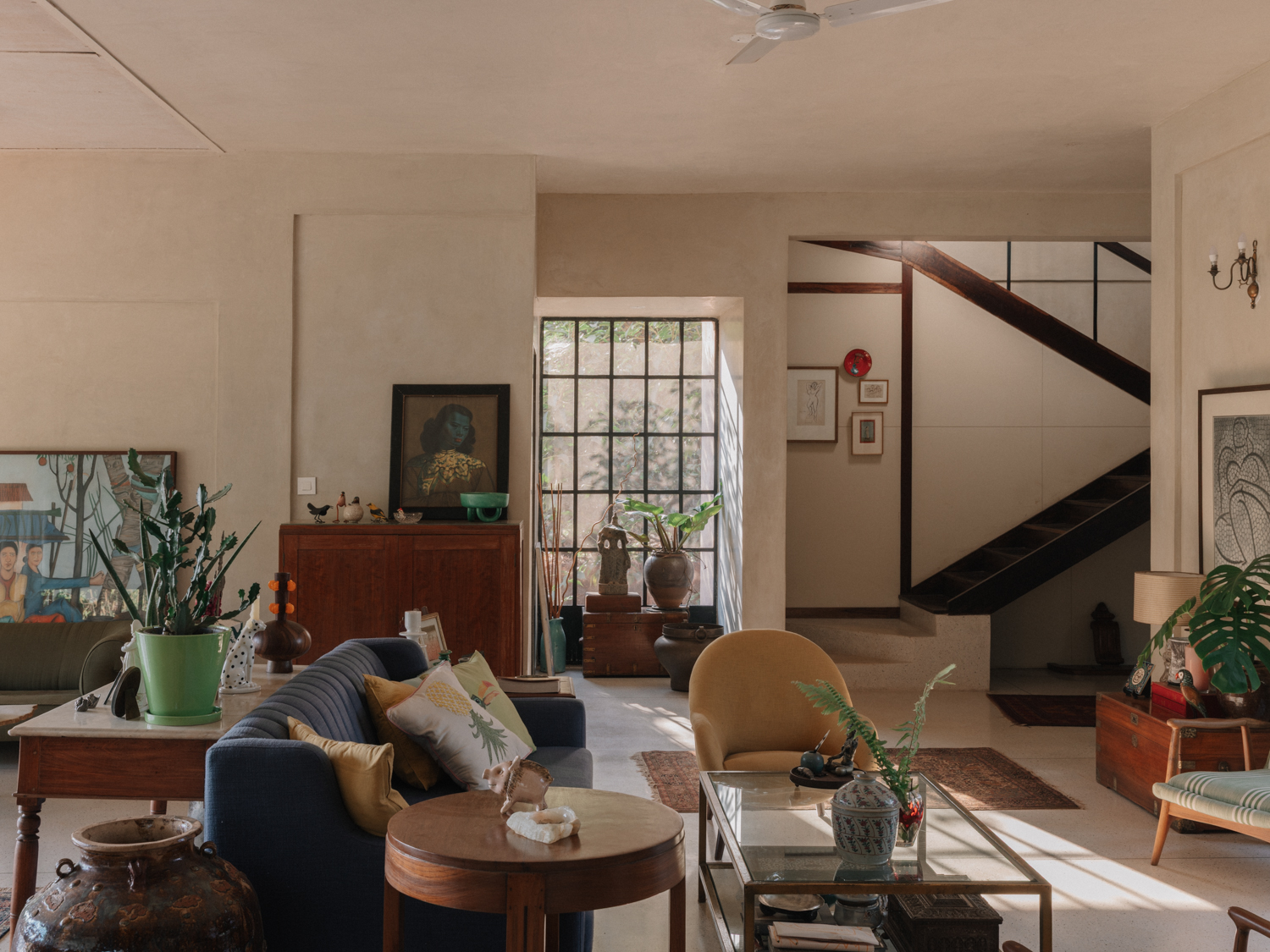
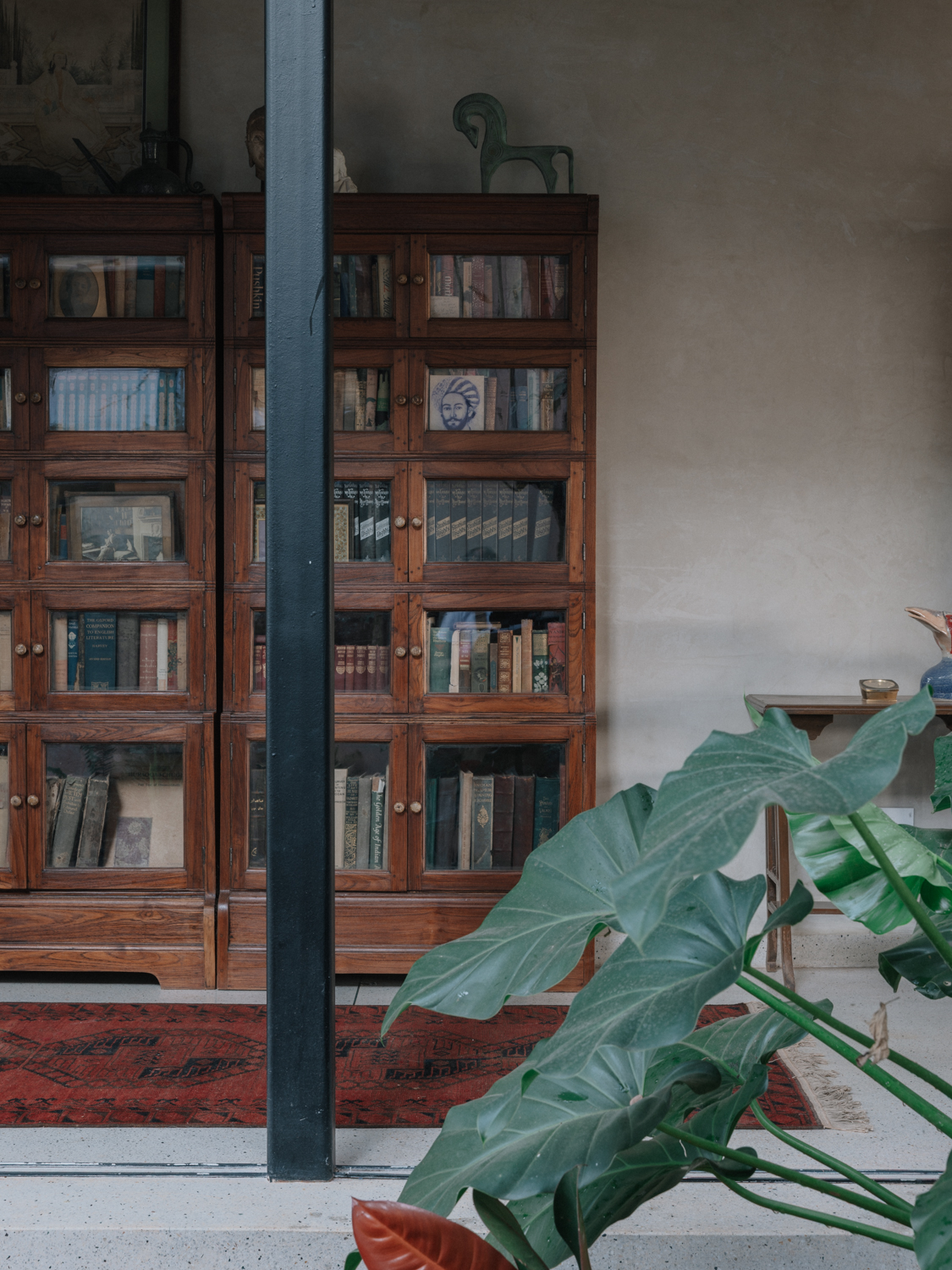
Most of the wood used for doors and furniture in the house is of salvaged wood and the interior furniture pieces are a part of owner’s family heirloom.
In this home the utilitarian spaces allow for the body to dwell and the in-between space is where the mind dwells.
PHOTOGRAPHER: SHANTANU STARICK